Avoid These Mistakes When Buying Used Auto Parts
Buying used auto parts can be a smart way to save money while keeping your vehicle running smoothly. Whether you are repairing damage after an accident or replacing worn components, used parts often provide a cost-effective alternative to brand-new replacements. However, purchasing secondhand automotive components requires careful consideration. A simple oversight can lead to compatibility issues, premature failure, or even safety risks.
The automotive aftermarket continues to grow steadily. According to Mordor Intelligence, the majority of auto part sales, over 72%, are for passenger vehicles. This means millions of drivers rely on replacement components each year, including recycled and refurbished options. While used parts can deliver strong value, avoiding common mistakes is essential to getting the best results. In this article, we will explore the most frequent errors buyers make and how to prevent them.
Failing to Verify Compatibility
One of the most common mistakes when purchasing a used auto part is failing to confirm compatibility with your specific vehicle. Even within the same make and model, parts can vary by production year, trim level, engine type, or drivetrain configuration.
Before making a purchase, verify your vehicle identification number (VIN) and match it to the exact specifications required. Many parts may look similar but have small differences in mounting points, electrical connectors, or performance ratings. Relying solely on visual comparison can result in costly returns or additional labor expenses. Taking time to confirm compatibility ensures the part fits correctly and performs as intended.
Overlooking the Part's Condition
Not all used components are equal in quality. Some may have minor cosmetic wear, while others may show signs of structural fatigue or hidden damage. Buyers sometimes focus only on price and neglect a thorough inspection.
When evaluating a used auto part, examine it carefully for cracks, corrosion, excessive rust, worn bushings, or damaged connectors. If purchasing online, request detailed photos from multiple angles. For mechanical components, ask about mileage and previous usage. Understanding the condition of the part helps prevent premature failure and reduces the risk of installing something that may need replacement again soon.
Ignoring the Source of the Part
Where you purchase your used components matters significantly. Buying from an unreliable seller increases the likelihood of receiving defective or mismatched parts. It also makes returns and support more difficult.
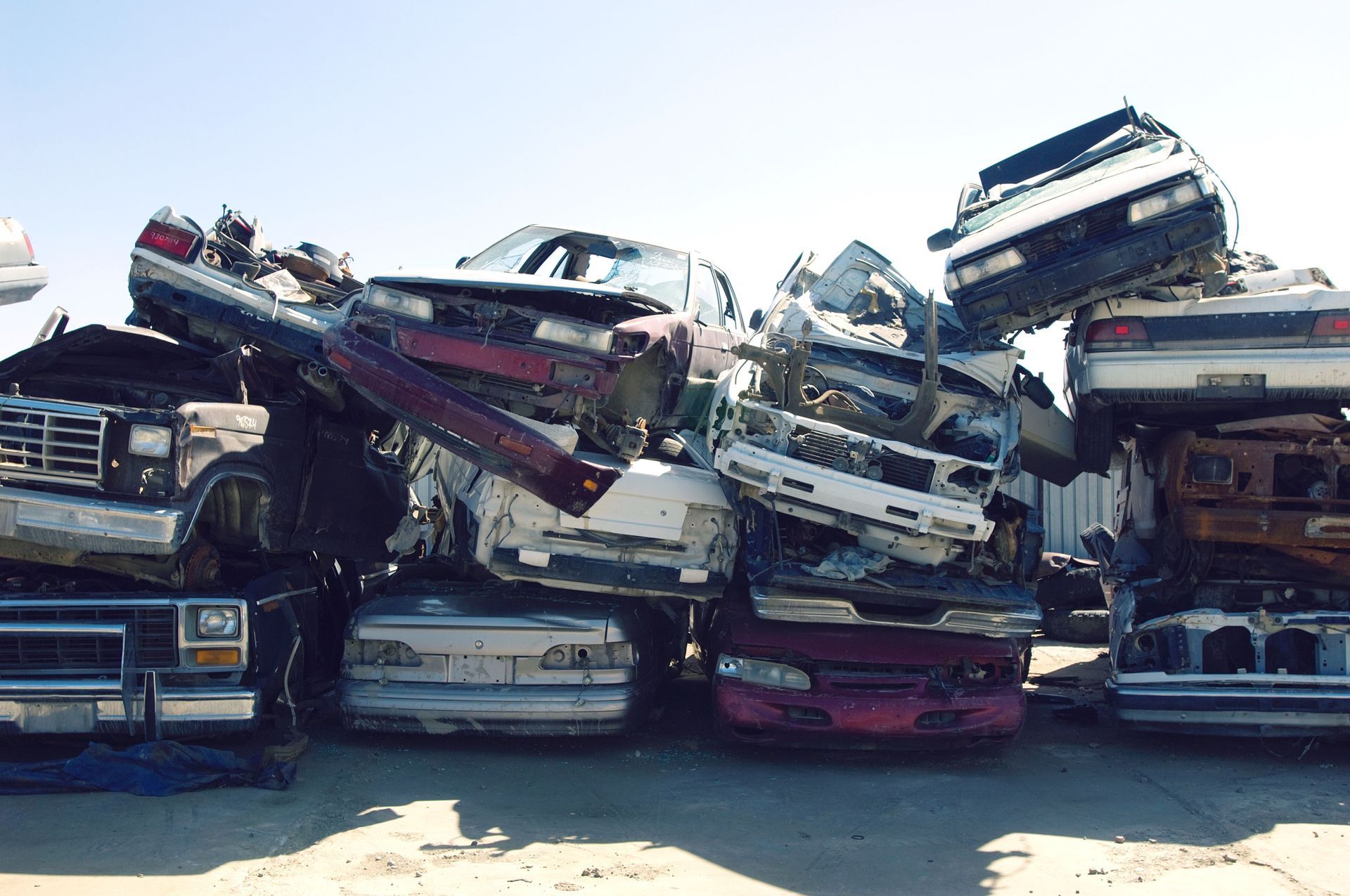
Reputable salvage yards, certified recyclers, and established auto part suppliers often inspect and test inventory before selling. They may also provide limited warranties or return policies for added protection. A trustworthy source increases confidence in your purchase and reduces long-term frustration.
Skipping Warranty Considerations
Many buyers assume that used parts do not come with warranties. While it is true that coverage may be limited compared to new components, some sellers offer short-term guarantees or exchange options.
Skipping warranty considerations can be a costly mistake. Even a 30-day warranty can provide peace of mind in case the component fails shortly after installation. When purchasing a used auto part, ask about available coverage. Written documentation of return policies and guarantees protects you if issues arise.
Choosing Price Over Quality
Saving money is often the primary motivation for buying used components. However, choosing the lowest-priced option without considering quality can backfire.
Extremely low prices may indicate excessive wear, poor storage conditions, or a lack of testing. It is important to balance affordability with reliability. A slightly higher-priced component in better condition often provides better long-term value. Careful comparison helps you avoid repeated repairs and additional labor costs.
Neglecting to Check Mileage on Mechanical Components
For mechanical parts such as engines, transmissions, or alternators, mileage plays a significant role in determining lifespan. Buyers sometimes overlook this factor when evaluating used inventory.
A component removed from a high-mileage vehicle may already be nearing the end of its service life. In contrast, parts from low-mileage vehicles can provide years of reliable use. When considering a used auto part that involves moving components or internal wear, always ask about the donor vehicle's mileage and service history if available.
Forgetting to Factor in Installation Costs
Another common mistake involves overlooking installation expenses. Even if the part itself is affordable, labor costs can add up quickly. If a component fails soon after installation, replacing it again means paying labor twice.
Before purchasing, evaluate whether the part is easy to install or requires professional assistance. Complex components such as engines, transmissions, or suspension systems often demand specialized tools and expertise. Accounting for installation costs ensures you are making a financially sound decision overall.
Ignoring Return and Exchange Policies
Return policies are especially important when buying used parts. Compatibility issues or unexpected defects can occur despite careful planning.
Failing to review return and exchange terms may leave you stuck with a component that does not fit or function properly. Always ask about the timeframe for returns and whether refunds or store credit are offered. Clear policies provide reassurance and protect your investment.
Overlooking Electrical Compatibility
Modern vehicles rely heavily on electronic systems. Electrical parts such as sensors, control modules, and wiring harnesses must match exact specifications.
Even small variations can cause dashboard warning lights, performance issues, or system malfunctions. Buyers sometimes assume electrical components are interchangeable when they are not. Double-check part numbers and confirm compatibility before installing any electronic component. Proper verification reduces the risk of system errors.
Disregarding Safety-Critical Components
Certain vehicle parts directly impact safety. Brake systems, steering components, airbags, and suspension parts must meet strict performance standards.
While some used safety-related parts can be reliable, others may pose risks if improperly inspected. Buyers should exercise extra caution when purchasing components that affect vehicle stability or occupant protection. Consulting with a knowledgeable professional can help determine whether a particular used auto part is appropriate for your needs.
Not Researching the Seller's Reputation
Online marketplaces make it easy to find secondhand automotive components, but not all sellers maintain high standards. Reviews and ratings provide insight into reliability, shipping practices, and customer service.
Ignoring seller reputation may result in delays, incorrect shipments, or poor communication. Taking a few minutes to review feedback can prevent unnecessary complications. Established suppliers with positive reviews generally offer more dependable service.
Failing to Compare New Versus Used Options
In some cases, the price difference between new and used components may be minimal. Buyers sometimes assume that used parts are always the better deal without comparing options.
If a new component is only slightly more expensive and includes a full manufacturer's warranty, it may offer greater long-term value. Weighing both options ensures you are making the best financial decision. Understanding the overall cost-benefit balance helps you avoid regret later.
Purchasing used automotive components can be an effective way to manage repair costs while keeping your vehicle on the road. However, careful evaluation is essential. From verifying compatibility and inspecting condition to reviewing warranties and seller reputation, each step plays a role in preventing costly mistakes.
With passenger vehicles accounting for over 72% of total auto part sales, according to Mordor Intelligence, the demand for replacement components remains strong. This makes informed buying decisions even more important. Avoiding common pitfalls ensures that your chosen used auto part delivers both value and reliability.
If you are considering purchasing used auto parts, take time to research, verify specifications, and choose reputable suppliers. Contact Phil's Auto Parts today to find quality components that meet your vehicle's needs and help you drive with confidence.
Share On: