
3 Reasons Why Used Auto Parts Are a Smart Choice for Budget-Conscious Drivers
Maintaining a vehicle can be expensive, especially when it comes time for repairs or replacing worn components. For drivers who want to stretch their budgets without sacrificing reliability, used auto parts offer a practical solution. Not only do these parts allow vehicle owners to save money, but they also contribute to environmental sustainability and provide a viable alternative to purchasing new components.
The automotive aftermarket continues to grow at a remarkable pace. According to Mordor Intelligence, the market value for auto part sales is expected to climb to over $140 billion by 2030. This growth reflects a rising interest in affordable, quality solutions for vehicle maintenance, and used auto parts play a significant role in meeting this demand. For drivers seeking both cost-effective and environmentally conscious options, used parts are increasingly becoming a mainstream choice.
What Are Used Auto Parts?
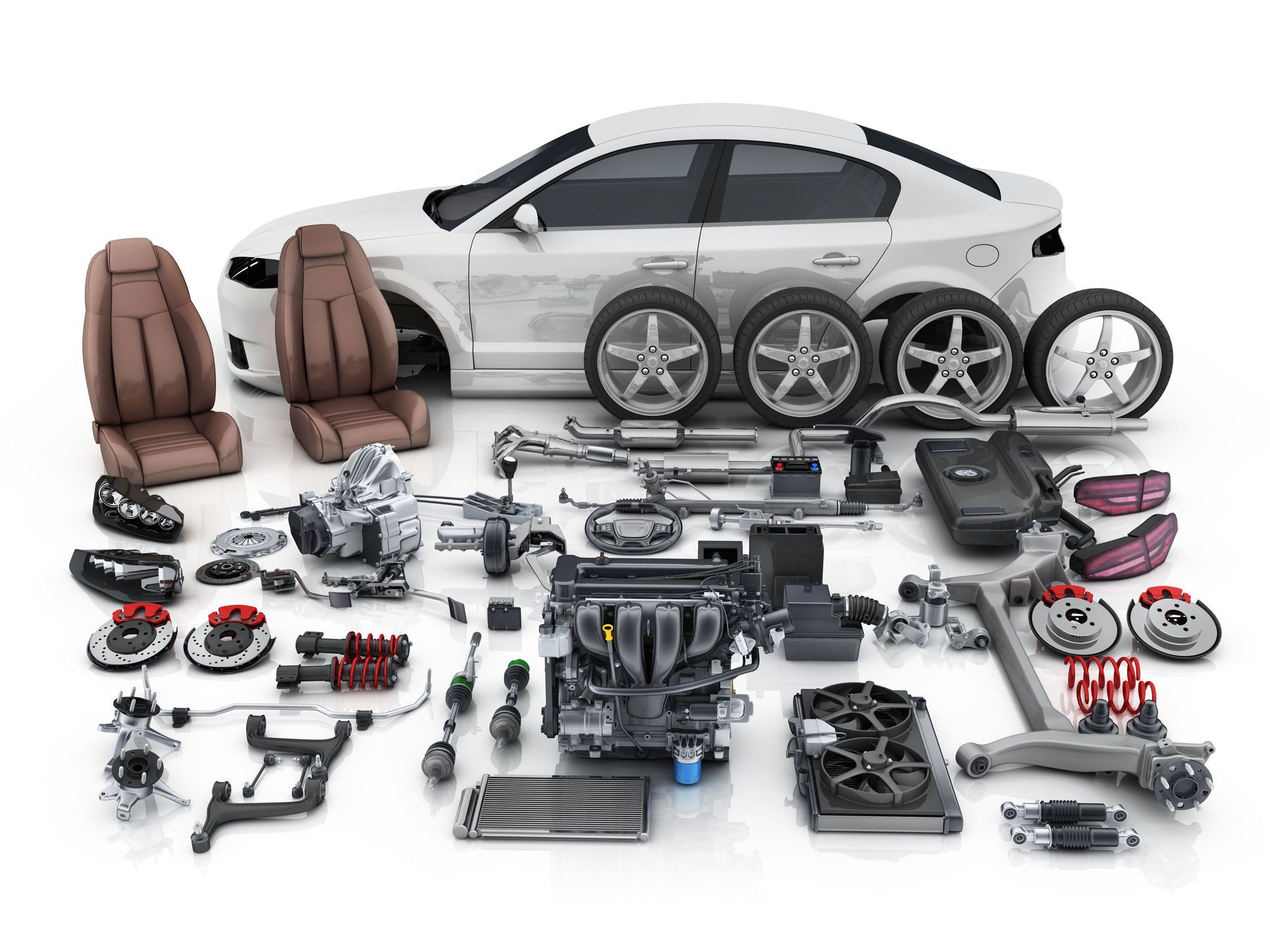
Used auto parts are components that have been previously installed in vehicles but are still functional and available for resale. These parts come in a variety of types, each with distinct advantages and considerations.
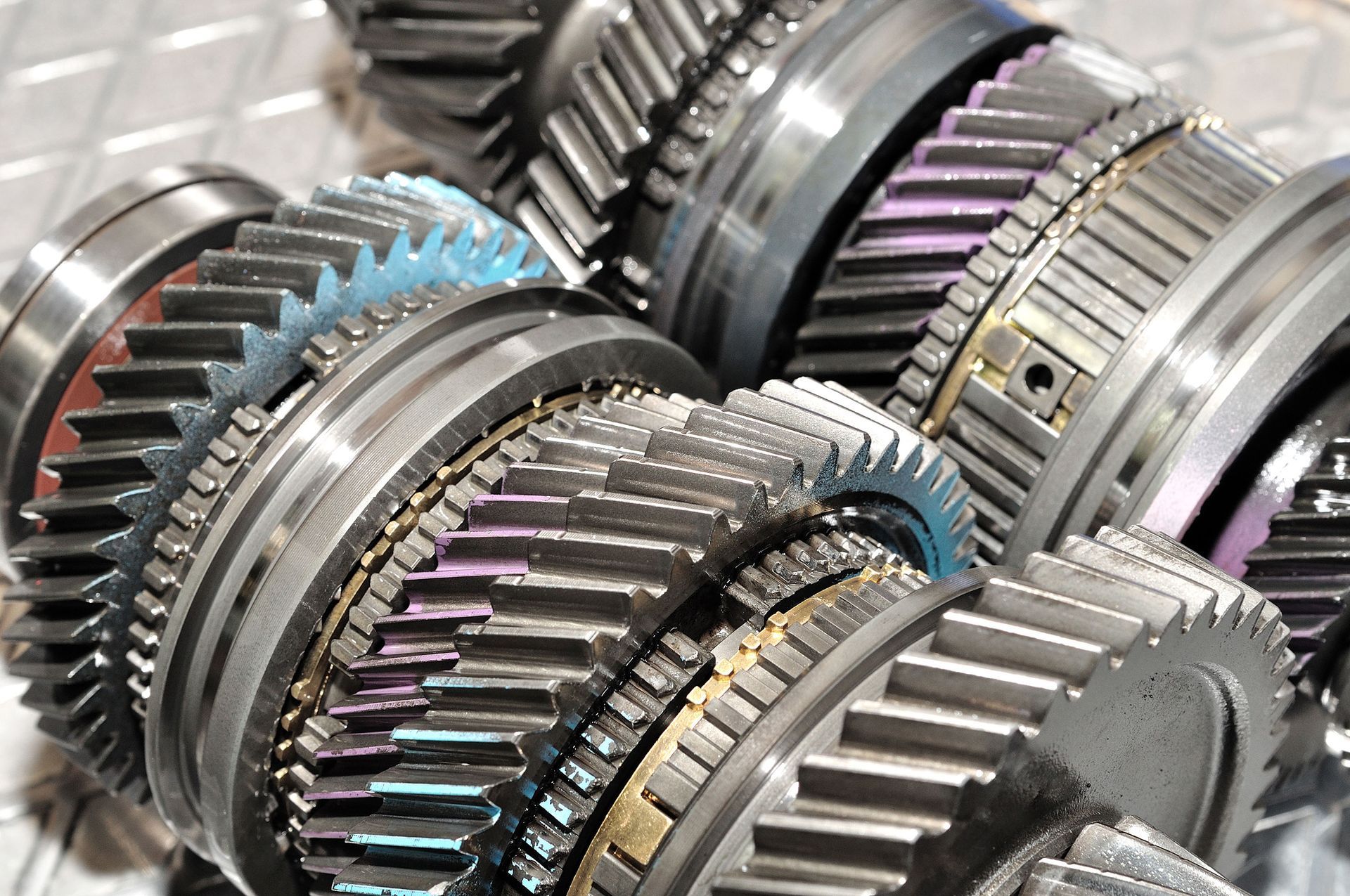
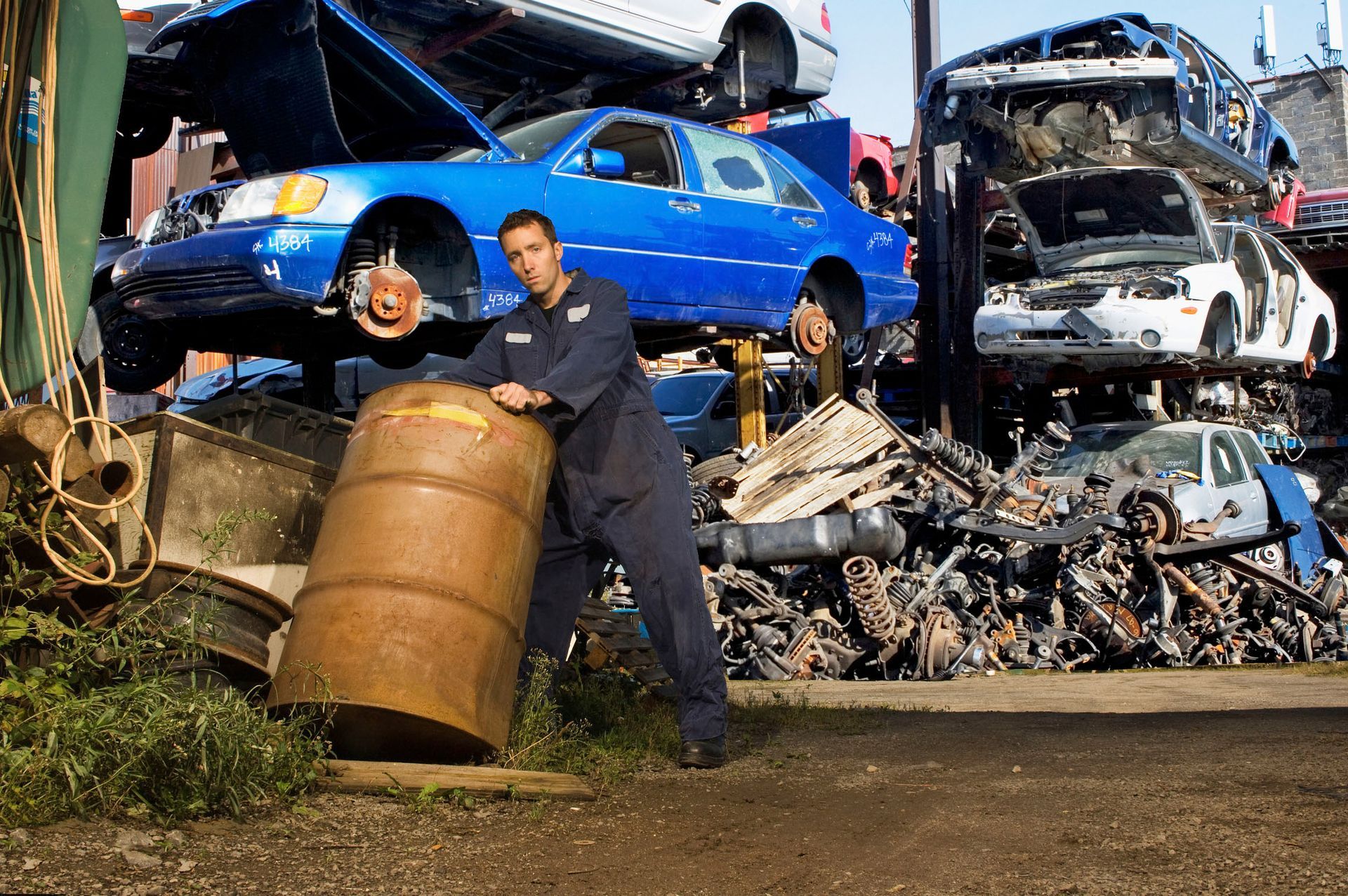
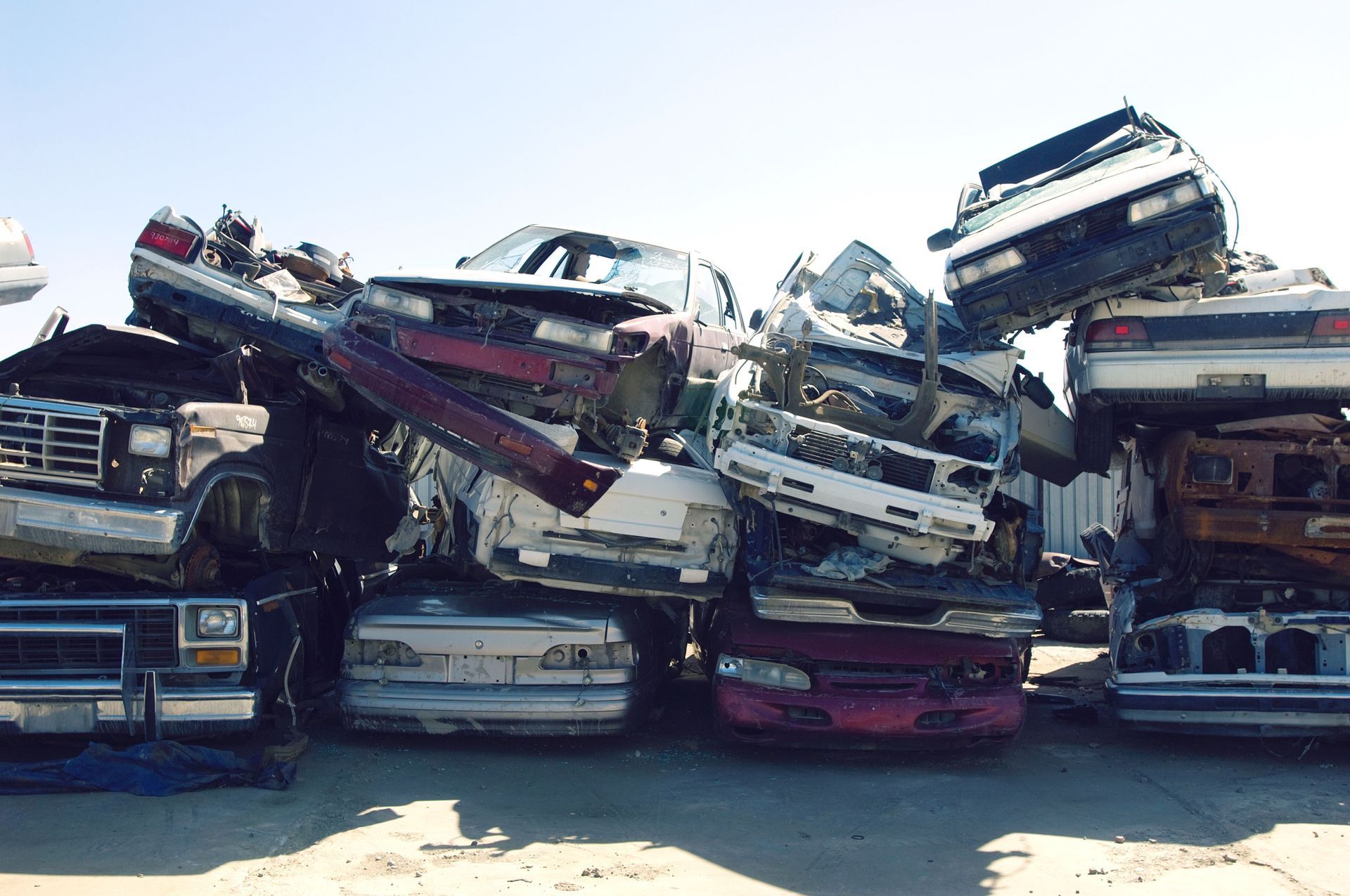
Salvaged parts are retrieved from vehicles that are no longer operational due to accidents, age, or other factors. While the vehicle may no longer be roadworthy, many of its parts—such as engines, transmissions, alternators, and suspension components—remain intact and fully functional.
Refurbished parts are used components that have undergone a restoration process. This can include cleaning, repairing, and testing to ensure that the part meets safety and performance standards. Refurbished parts often come with warranties or guarantees, offering drivers added confidence that they are making a reliable choice.
OEM (original equipment manufacturer) surplus parts are factory-made components that were never installed in vehicles but are sold at a discount due to overproduction, discontinued models, or leftover inventory. These parts provide the same quality as new components but at a fraction of the price, making them an attractive option for those who prefer factory-grade parts without paying full retail prices.
Understanding these categories allows drivers to make informed decisions about which type of used auto parts best suits their needs and budget.
How Do Used Auto Parts Compare in Terms of Cost?
The most immediate advantage of used auto parts is cost savings. Purchasing new components from manufacturers or dealerships can be expensive, often two to three times the price of a quality used alternative. For example, a new alternator may cost several hundred dollars, whereas a used or refurbished alternator in good condition may cost less than half of that amount. Similarly, engines, transmissions, and even cosmetic parts like mirrors, headlights, and bumpers can often be sourced at a significantly reduced price.
For drivers who maintain older vehicles, used auto parts make repairs more affordable and feasible. Instead of delaying maintenance due to high costs, vehicle owners can replace worn parts promptly, which can prevent more serious damage down the line. Using used components strategically also allows drivers to allocate funds toward other maintenance needs, such as tires, brakes, or routine inspections, helping to extend the vehicle’s overall lifespan.
Another financial consideration is the resale value of a car. Regular maintenance using affordable used auto parts ensures that vehicles remain in good condition, preserving their market value without the need for major, costly overhauls. Over time, these savings accumulate, proving that investing in used parts can be a smart long-term financial strategy.
Are Used Auto Parts Reliable and Safe?
One common concern about used auto parts is their reliability and safety. While it’s true that not all used components are created equal, many perform just as well as new parts when sourced from reputable suppliers. Salvage yards, certified refurbishers, and specialized auto part shops often inspect, test, and certify their parts before resale. Components such as engines, transmissions, brake systems, and suspension parts are frequently tested to ensure they meet performance and safety standards.
Safety should always be a priority. When selecting used auto parts, drivers should verify the seller’s reputation, request documentation of inspections or testing, and, when possible, choose components that come with warranties. Even minor components like lights, mirrors, or sensors should be checked for functionality. By taking these precautions, used parts can offer the same reliability as new ones, making them a safe choice for budget-conscious vehicle owners.
It’s also worth noting that technological advances in refurbishment and testing have made used auto parts more dependable than ever. Modern inspection techniques can identify hidden issues, allowing suppliers to restore or replace components to a like-new condition. This means that many drivers can confidently rely on used parts for critical vehicle systems without compromising safety.
Where Can You Find Quality Used Auto Parts?
Finding trustworthy sources for used auto parts is crucial to ensure reliability and performance. Traditional salvage yards remain a popular option, offering a wide range of parts for different makes and models. Experienced staff at these yards can guide compatible components, helping drivers identify the best options for their vehicles.
Specialized shops that focus on refurbished or OEM surplus parts are another excellent resource. These suppliers often provide guarantees and detailed information about each component’s history, ensuring drivers know exactly what they are purchasing. Some even offer installation guidance, which can be especially helpful for those performing repairs themselves.
When searching for used auto parts, it’s essential to research the seller’s reputation, verify the part’s compatibility with your vehicle, and request any available inspection documentation. By prioritizing credible sources, drivers can enjoy the benefits of affordable components without compromising on quality or safety.
What Are the Environmental Benefits of Buying Used Auto Parts?
Purchasing used auto parts offers more than just financial savings—it’s also a choice that benefits the environment. Recycling and reusing vehicle components reduces the demand for new manufacturing, which lowers energy consumption, greenhouse gas emissions, and the extraction of raw materials. Every part that is repurposed instead of discarded reduces waste and contributes to more sustainable vehicle ownership.
Used parts support the circular economy within the automotive industry. Components that would otherwise end up in landfills are given a second life, conserving resources and minimizing environmental impact. For drivers who want to align their vehicle maintenance practices with eco-friendly values, choosing used auto parts is a meaningful step toward sustainability.
Additionally, the environmental impact extends beyond the parts themselves. By keeping vehicles in service longer with affordable replacements, drivers reduce the need to manufacture entirely new vehicles prematurely. This can further decrease carbon emissions and the overall ecological footprint of personal transportation.
Tips for Making the Most of Used Auto Parts
To maximize the benefits of used auto parts, drivers should follow several best practices. First, always research the part’s history and verify its condition. Ask the supplier about previous usage, testing, and any refurbishments performed.
Second, compare prices across multiple sources to ensure you’re getting a fair deal. While affordability is important, extremely low prices may indicate lower-quality or unverified parts.
Third, consider the type of part being replaced. Critical safety components, such as brakes, airbags, or steering mechanisms, should be sourced from trusted suppliers with warranties, while non-critical parts, like trim panels or mirrors, can be more flexible.
Finally, keep records of all parts purchased, including their source, condition, and installation date. This documentation can be helpful for future maintenance, resale value, or warranty claims. By taking a strategic approach, drivers can make the most of used auto parts and enjoy long-term savings and reliability.
Whether opting for salvaged, refurbished, or OEM surplus parts, drivers can maintain their vehicles effectively, extend their lifespan, and support sustainable practices. For budget-conscious vehicle owners, used auto parts provide a smart solution that balances cost, performance, and environmental responsibility—making them a choice worth considering for anyone looking to keep their car in top condition without overspending. If you're looking for quality
used auto parts, reach out to Phil's Auto Parts today!
Share On: