
5 Times a Junk Yard Becomes the Smartest Stop You Make
The quest for sustainability and economic efficiency often leads to unexpected places, and among the most valuable of these destinations are local automotive recycling centers. While many people view these locations as mere resting places for defunct vehicles, they actually serve as vital hubs for a thriving circular economy. These facilities provide an array of benefits that extend far beyond the automotive industry, touching upon environmental conservation, historical preservation, and localized economic growth. Exploring these expansive properties can yield incredible financial savings while simultaneously reducing the ecological footprint associated with manufacturing new goods.
Understanding the true value of these treasure troves requires a shift in perspective from viewing items as waste to seeing them as untapped resources. Every year, millions of vehicles reach the end of their operational lives, yet a vast majority of their individual components remain completely functional. By establishing a system where these components can be systematically harvested, cataloged, and redistributed, these businesses provide an indispensable service to the public. Navigating these spaces with a sense of purpose allows consumers to uncover high quality materials that would otherwise require significant energy and natural resources to replicate from scratch.
1. Discovering Affordable Auto Parts
Maintaining a vehicle in optimal running condition can quickly become an expensive endeavor, especially when facing unexpected mechanical failures or routine component degradation. For many vehicle owners, purchasing brand-new components directly from a dealership or retail store is financially restrictive, prompting a search for more viable alternatives. Turning to specialized automotive recycling facilities allows individuals to acquire genuine original equipment manufacturer parts at a fraction of their retail cost. This availability is vital for keeping everyday commuters on the road without forcing owners into unmanageable debt. According to IBISWorld, there are 1,454 businesses in the used car parts wholesaling industry in the United States.
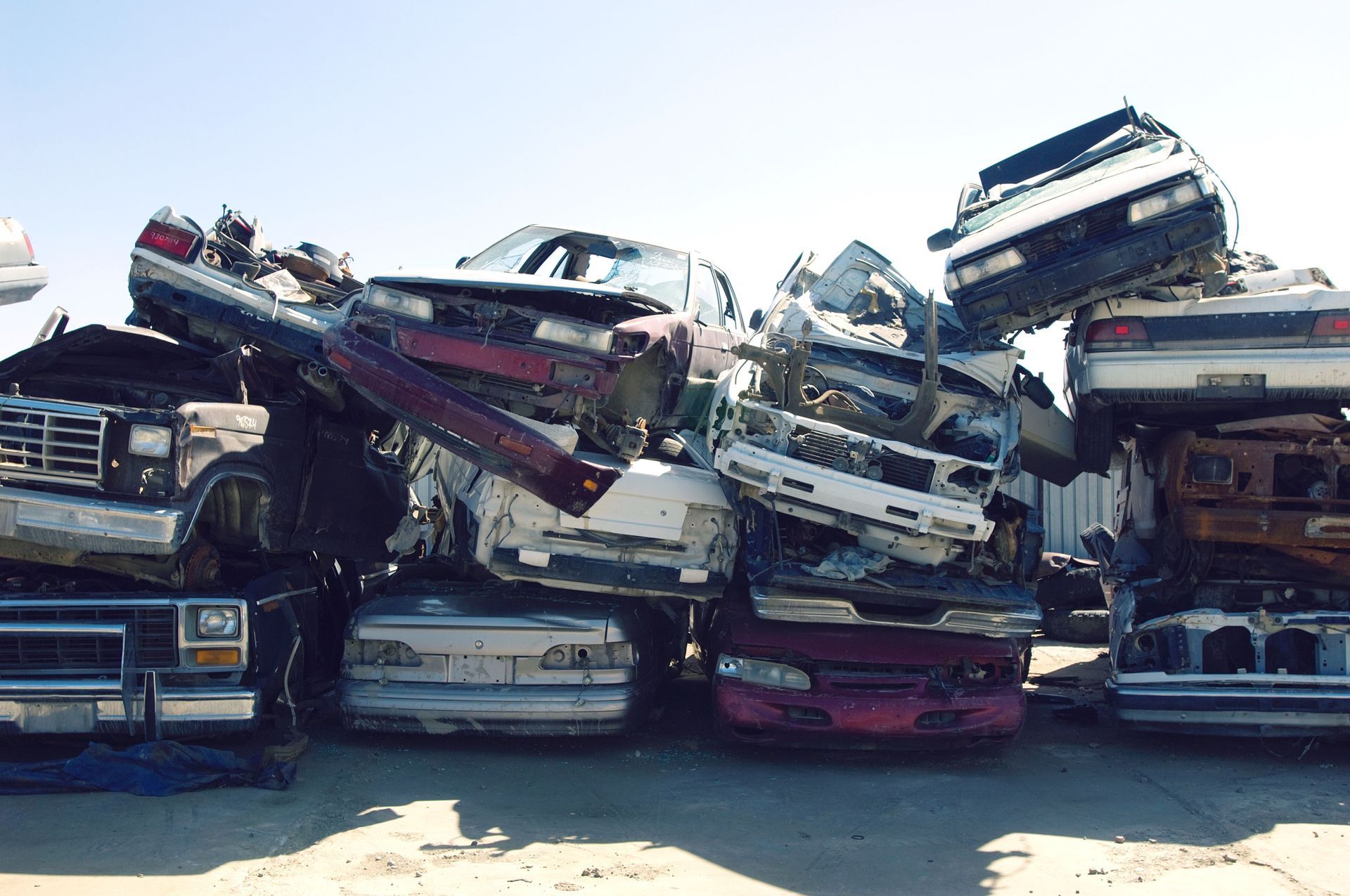
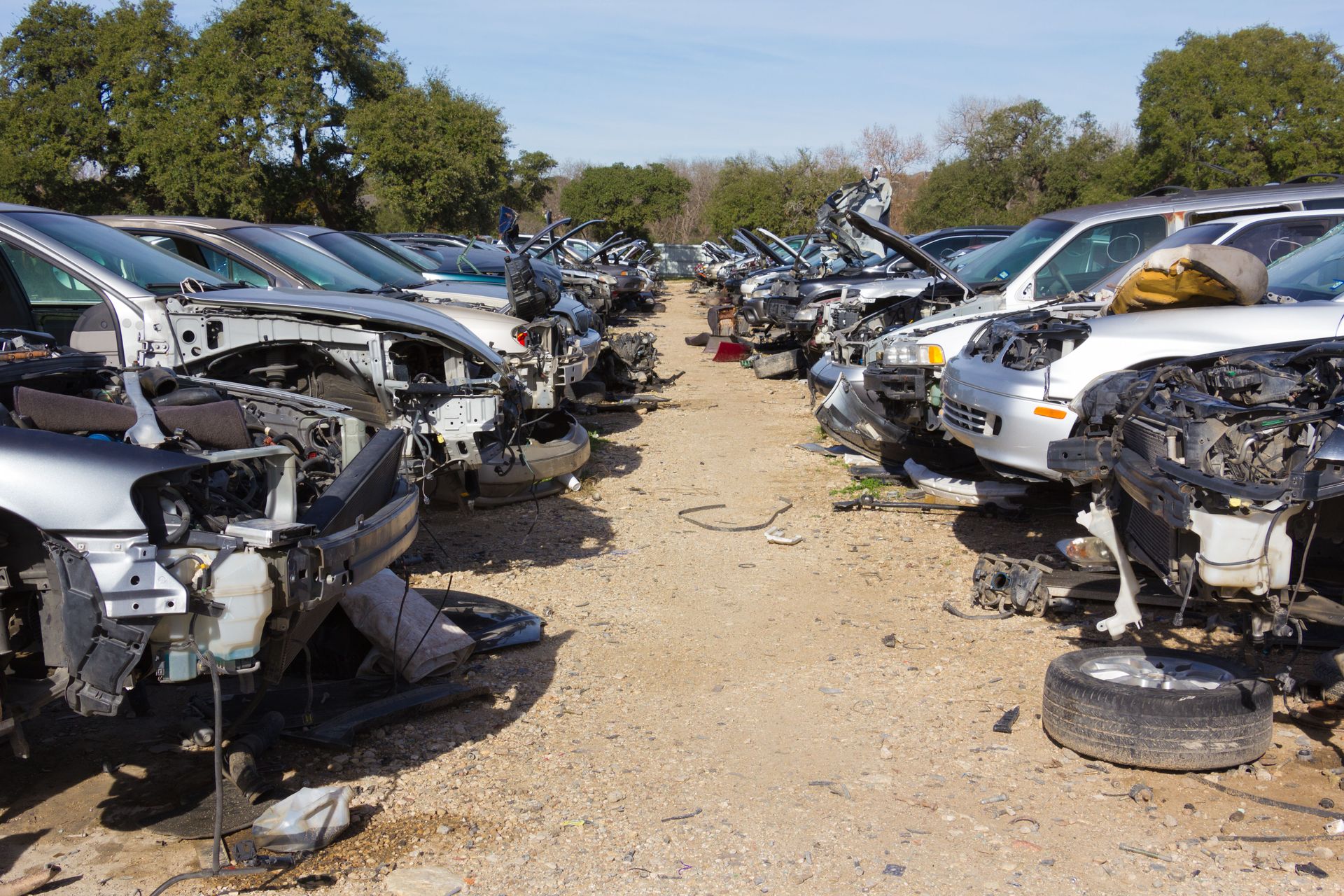
The sheer volume of these businesses highlights just how critical the used component market is for the stabilization of national transportation infrastructure. When a vehicle enters one of these specialized junk yards, it undergoes a meticulous process where fluids are safely drained and viable parts are cataloged for resale. This systematic approach ensures that components such as alternators, starters, body panels, and electronic modules are preserved for future use. Choosing these recycled options directly mitigates the environmental impact of manufacturing new components, which requires intensive energy use and raw material extraction. Consequently, vehicle owners manage to achieve a dual victory by protecting their personal finances while simultaneously participating in a highly effective environmental conservation effort.
2. Sourcing Industrial Scrap Metal
The global demand for metals continues to rise, placing a heavy burden on mining operations and industrial processing facilities worldwide. Junk yards function as critical collection points for ferrous and non-ferrous scrap metals, intercepting these valuable materials before they end up buried in local landfills. By aggregating large volumes of structural steel, aluminum panels, copper wiring, and brass fittings, these facilities streamline the supply chain for industrial melting and refining sectors. This efficient consolidation ensures that manufacturing industries can access the raw materials they require without relying solely on pristine ore extraction.
Participating in the scrap metal ecosystem supports a broader industrial framework that prioritizes energy conservation and resource management. Melting down existing scrap aluminum, for instance, requires only a small fraction of the energy needed to produce new aluminum from bauxite ore. This massive reduction in energy consumption directly translates to lower greenhouse gas emissions and a decreased reliance on fossil fuels. Businesses and commercial operations that utilize these recycling channels help foster a sustainable industrial cycle that stabilizes material costs across various sectors. Through organized scrap management, these recycling yards act as foundational pillars for modern eco-friendly manufacturing initiatives.
3. Hunting Historic Vintage Treasures
Beyond the purely mechanical and utilitarian components, these sprawling vehicle repositories often hold items of significant historical and aesthetic value. For collectors and preservationists, walking through these rows of older vehicles is akin to exploring a living museum of industrial design. Vintage emblems, retro hood ornaments, classic steering wheels, and obsolete dashboard instruments can frequently be recovered from models that have long been out of production. These items possess a level of craftsmanship and stylistic distinctiveness that is rarely replicated in contemporary, mass-produced consumer goods.
Acquiring these authentic historic pieces from junk yards provides an affordable pathway for enthusiasts to build unique collections or restore period-correct machinery. Rather than paying premium prices at specialized antique boutiques, collectors can negotiate directly for items that have been preserved by the elements or shielded within vehicle cabins. This process preserves the tangible history of industrial design, ensuring that the stylistic milestones of previous generations are not lost to time. Each recovered artifact carries a unique narrative, connecting modern enthusiasts with the engineering triumphs and design trends of decades past.
4. Reclaiming Architectural Salvage Elements
Modern construction often relies on standardized, mass-produced materials that lack the distinctive character and longevity of older manufacturing methods. Homeowners looking to inject personality into their living spaces frequently turn to salvage yards to find unique architectural elements that cannot be purchased in standard home improvement retail stores. Stripped vehicles, vintage utility trucks, and old industrial machinery often contain high quality hardware, heavy-duty fasteners, and specialized glass or metal panels. These heavy components can be integrated into residential structures to provide a distinct aesthetic focus.
Utilizing these reclaimed components also aligns perfectly with modern green building certifications and sustainable architectural practices. By choosing to incorporate pre-existing structural elements into a renovation, property owners effectively lower the total embodied energy of their construction projects. This practice prevents functional items from being discarded while reducing the demand for new production line outputs. The resulting spaces benefit from an infusion of structural authenticity and historical depth, demonstrating that beautiful residential design does not have to come at the expense of environmental responsibility.
5. Supporting Educational Science Programs
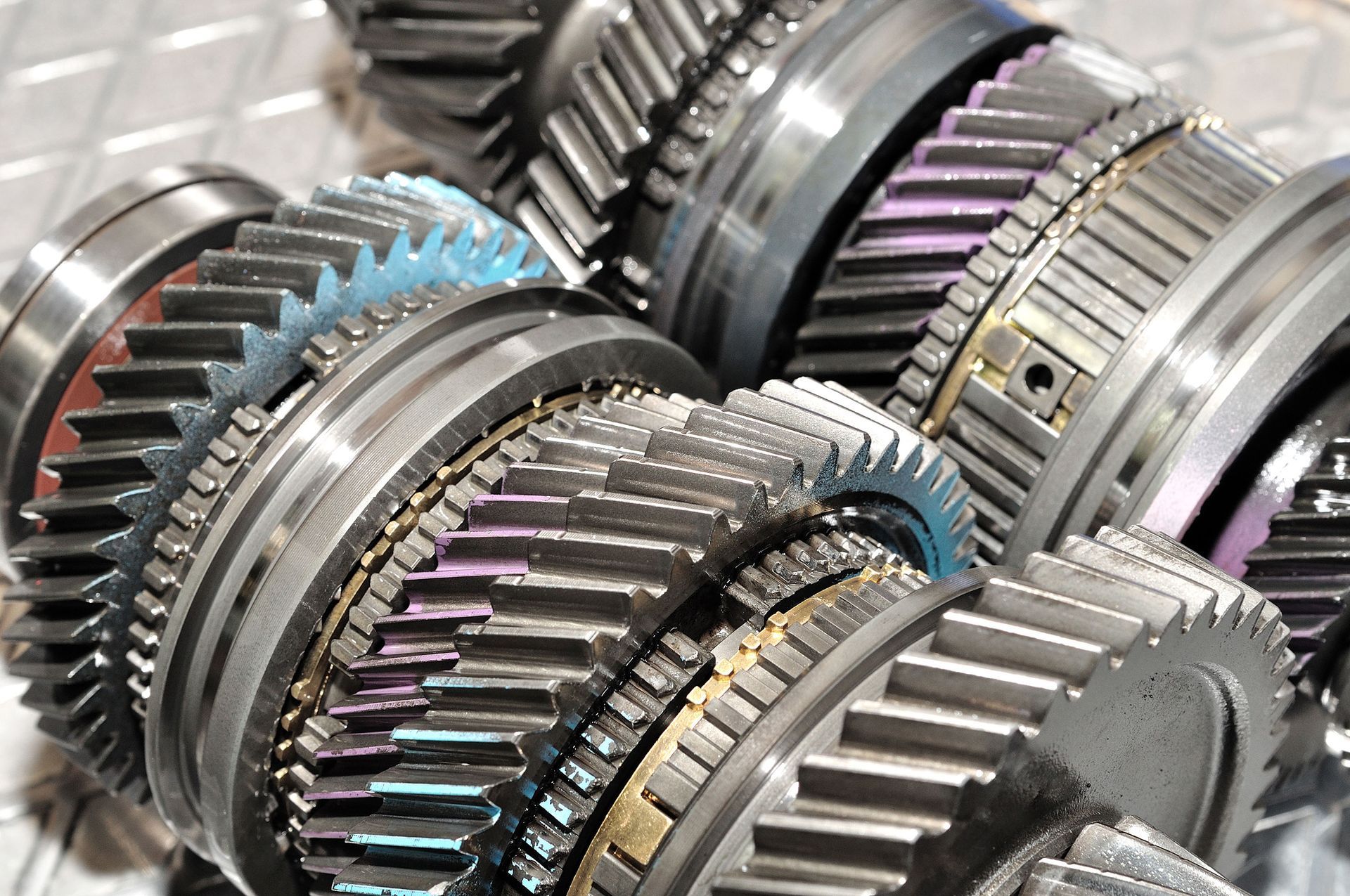
Academic institutions and community youth organizations frequently operate under tight budgetary constraints that limit hands-on learning opportunities in engineering and physical sciences. Junk yards offer a practical solution by providing affordable access to complex mechanical systems that can be used for educational demonstration and analysis. Procuring deactivated engines, steering assemblies, and electronic wiring harnesses allows instructors to create interactive lesson plans without exhausting school funding. Students benefit immensely from interacting with real world machinery rather than relying solely on textbook diagrams or digital simulations.
Exposing future generations to the inner workings of machinery fosters critical thinking and sparks early interest in technological fields. Students learn to analyze how different mechanical linkages interact, how electrical currents flow through complex automotive grids, and how various materials tolerate physical stress. This foundational knowledge is essential for developing the next generation of engineers, technicians, and environmental scientists. By utilizing affordable components sourced from local recycling facilities, educational programs can maintain robust, hands-on curricula that prepare students for practical problem-solving in the real world.
The modern automotive recycling facility is far more than a simple storage ground for old vehicles; it is a dynamic resource center that drives sustainability and affordability across multiple facets of society. From providing affordable replacement parts that keep essential vehicles running to serving as a vital source of raw materials for industrial recycling, these businesses underpin a highly efficient circular economy. Engaging with these local resource hubs allows consumers, collectors, and educators to minimize their environmental footprint while maximizing their financial flexibility. Visiting
junk yards represents a conscious decision to value resourcefulness over wastefulness, transforming the remnants of yesterday into the building blocks of tomorrow. If you are ready to discover the incredible value, hidden treasures, and sustainable solutions waiting inside your local automotive recycling center, contact Phil's Auto Parts today to explore our extensive inventory and speak with our expert team.

Share On: