Salvage Yard Finds That Save Money on Car Parts
Replacing vehicle components does not always mean purchasing brand-new parts. For many drivers, used automotive components offer a practical way to manage repair costs while keeping a car or truck on the road. A well-stocked salvage yard can provide access to original vehicle components that may otherwise be expensive, difficult to locate, or unavailable through conventional parts suppliers. From exterior panels to interior accessories, recycled parts can provide significant value when the correct component is available for a particular vehicle.
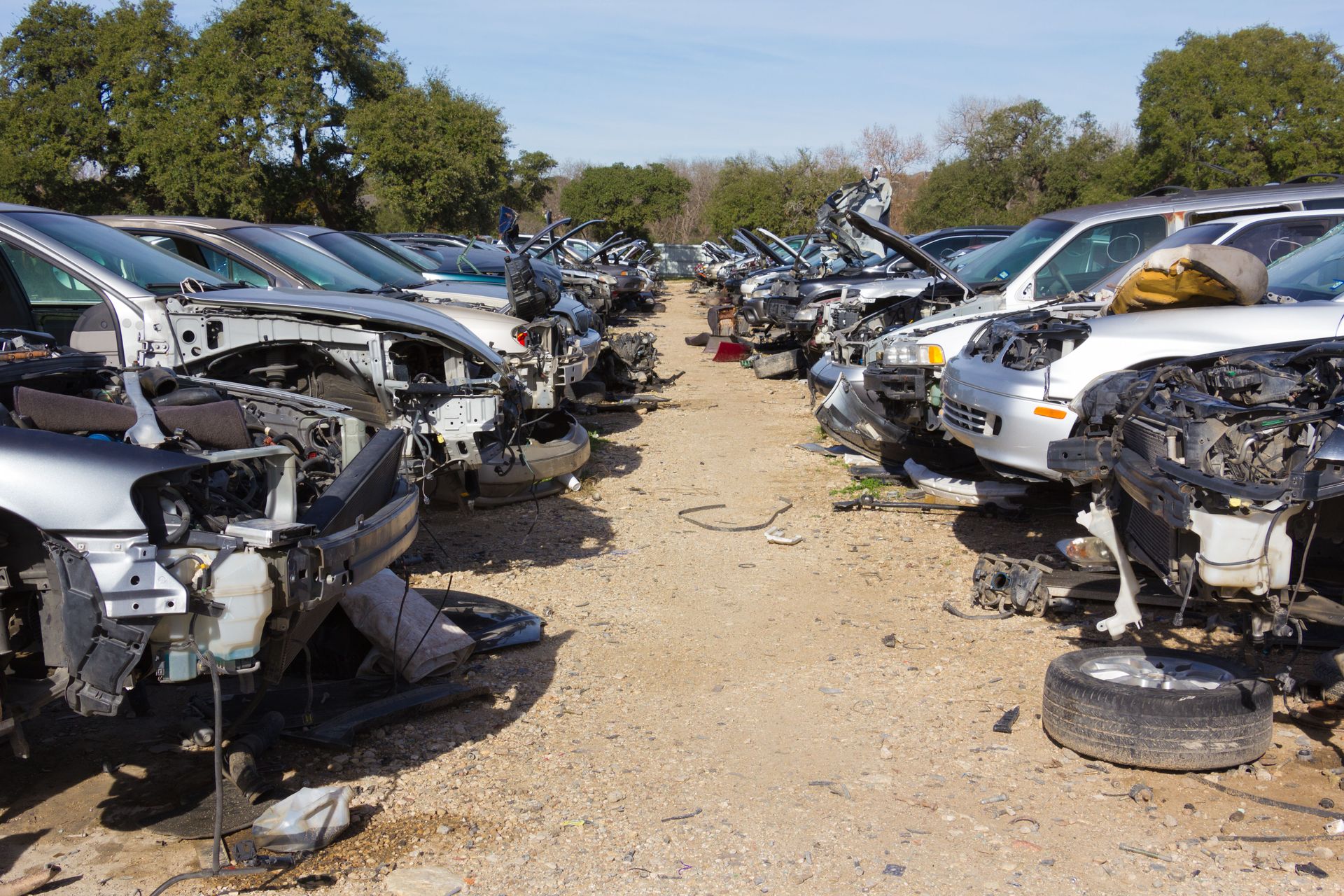
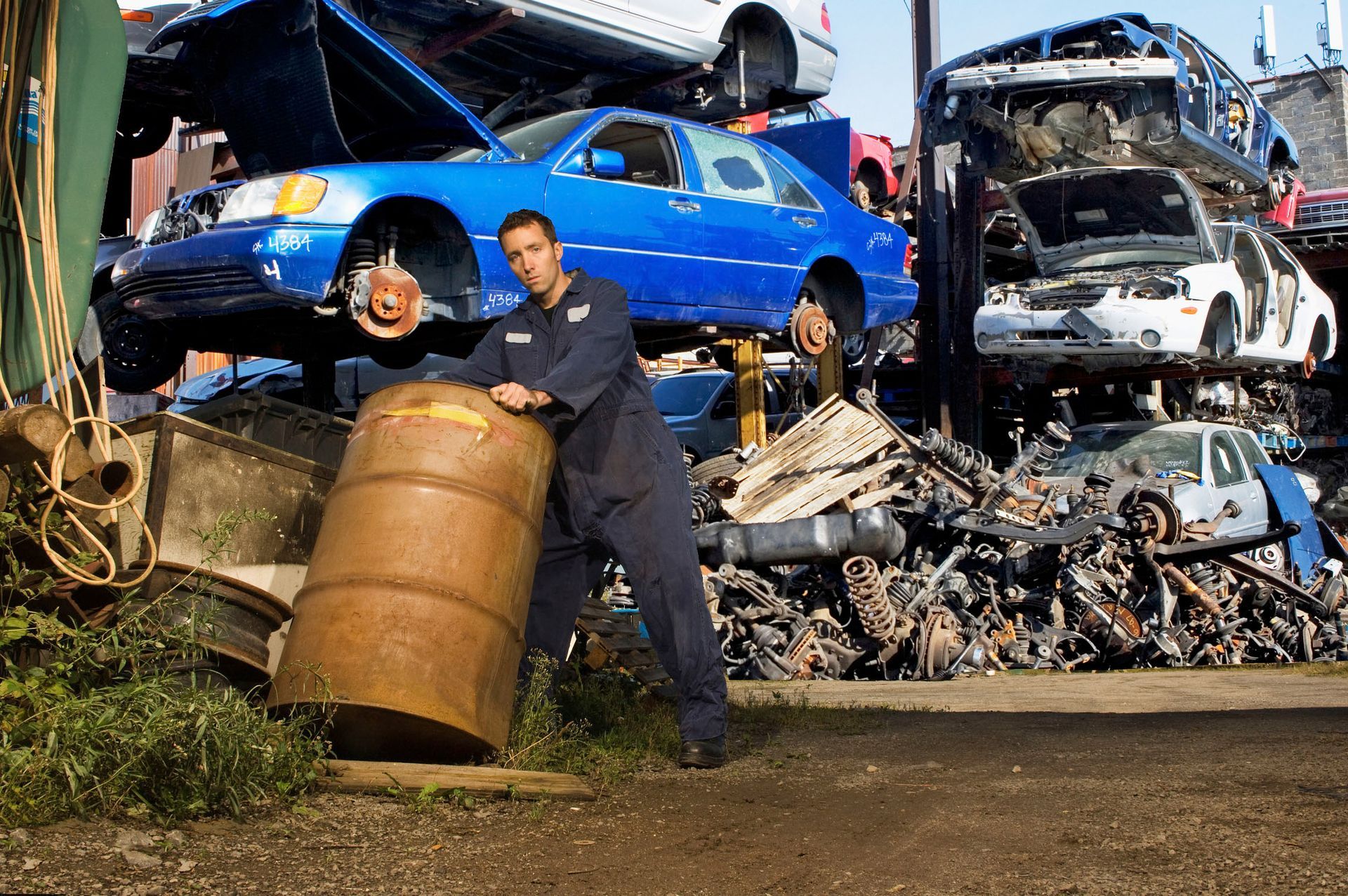
Automotive recycling also gives usable components from retired vehicles another purpose instead of allowing every part to go to waste. According to The Zebra, approximately 12 million vehicles are recycled each year, with many making their way to auto recycling facilities, wreck yards, or salvage yards. That enormous supply of retired vehicles creates opportunities for motorists, repair professionals, and restoration enthusiasts to locate useful replacement components.
Finding Affordable Exterior Parts
Locating Replacement Body Panels
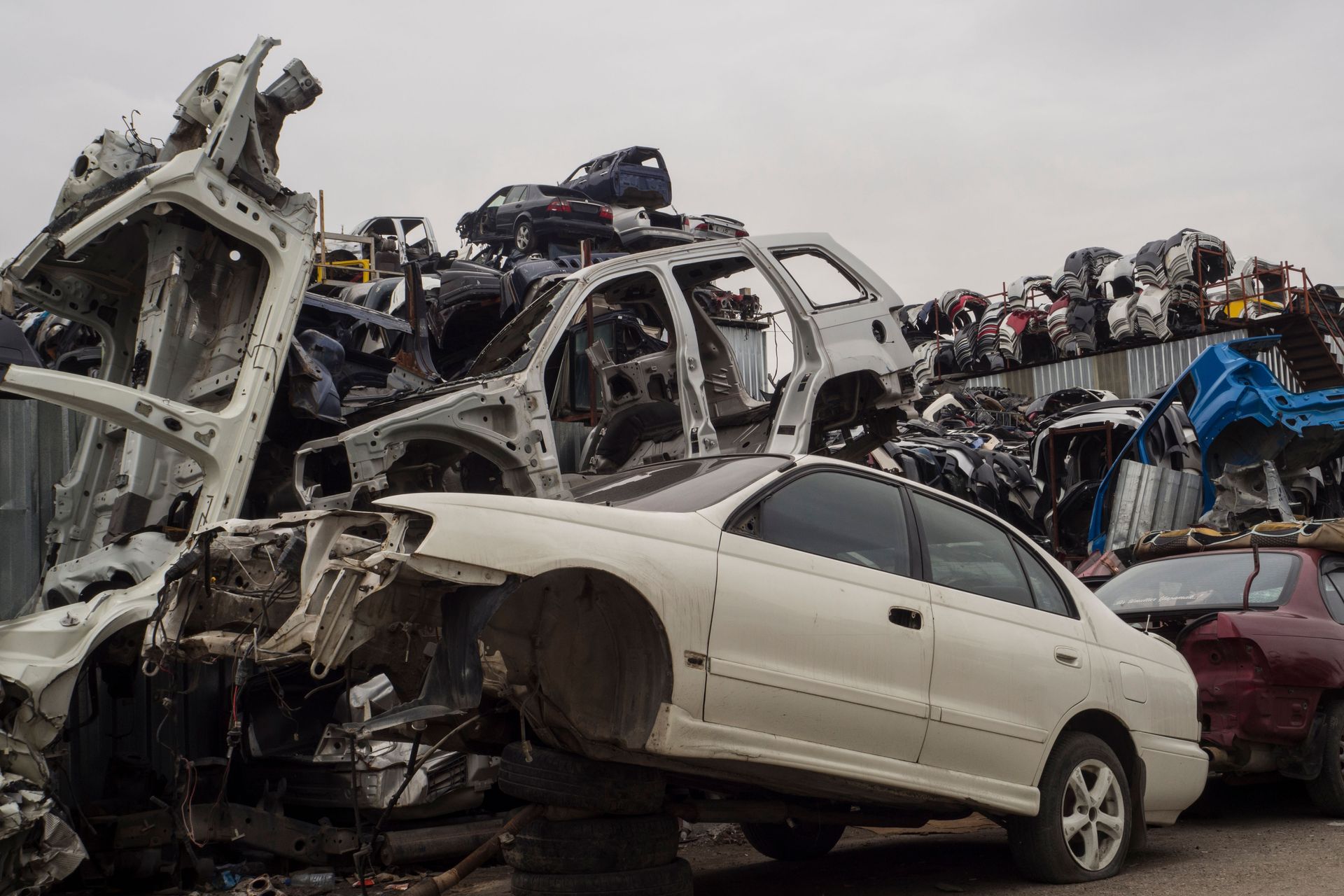
Minor collisions, rust, and everyday wear can leave a vehicle needing a replacement door, fender, hood, or other body panel even when the rest of the car remains mechanically sound. Purchasing a new panel can add considerably to repair costs. Used components may provide a more affordable alternative, particularly for common makes and models.
Matching Original Vehicle Components
One advantage of shopping at a salvage yard is the possibility of finding original equipment from the same vehicle generation. Original components may offer the dimensions, mounting locations, and appearance needed for a compatible replacement. Vehicle year, make, model, trim, and other specifications remain important when determining whether a particular part is suitable.
Replacing Exterior Accessories
Mirrors, grilles, trim pieces, handles, and similar exterior items can become damaged without affecting the rest of the vehicle. These smaller components may still be costly when purchased new, especially when they include model-specific designs or features. Recycled options can make replacing them more manageable.
Supporting Older Vehicle Repairs
Finding new body components can become increasingly difficult as vehicles age. Manufacturers and suppliers may eventually discontinue certain items. Recycled automotive inventories can preserve parts from older vehicles, creating another source when conventional replacement options become limited.
Finding Affordable Interior Parts
Replacing Worn Interior Components
Seats, consoles, door panels, and other interior surfaces can show substantial wear after years of use. Replacing an entire vehicle because of a worn interior rarely makes financial sense when it remains mechanically dependable. Used interior parts can help refresh damaged areas while controlling costs.
Locating Model-Specific Trim
Interior trim is often designed specifically for a particular generation, body style, or trim level. A salvage yard may contain vehicles with matching components that are difficult to find through ordinary retail channels.
Finding Smaller Accessories
Knobs, switches, cup holders, storage compartments, vents, and other small pieces may seem insignificant until one breaks or disappears. Individually, these items can be surprisingly difficult or expensive to replace.
Preserving the Original Appearance
Drivers who want to maintain an older vehicle's factory appearance may prefer original components over replacements with noticeably different designs. Finding matching colors, textures, and styles can help preserve a consistent interior while extending the useful life of components from another vehicle.
Finding Affordable Mechanical Components
Considering Major Assemblies
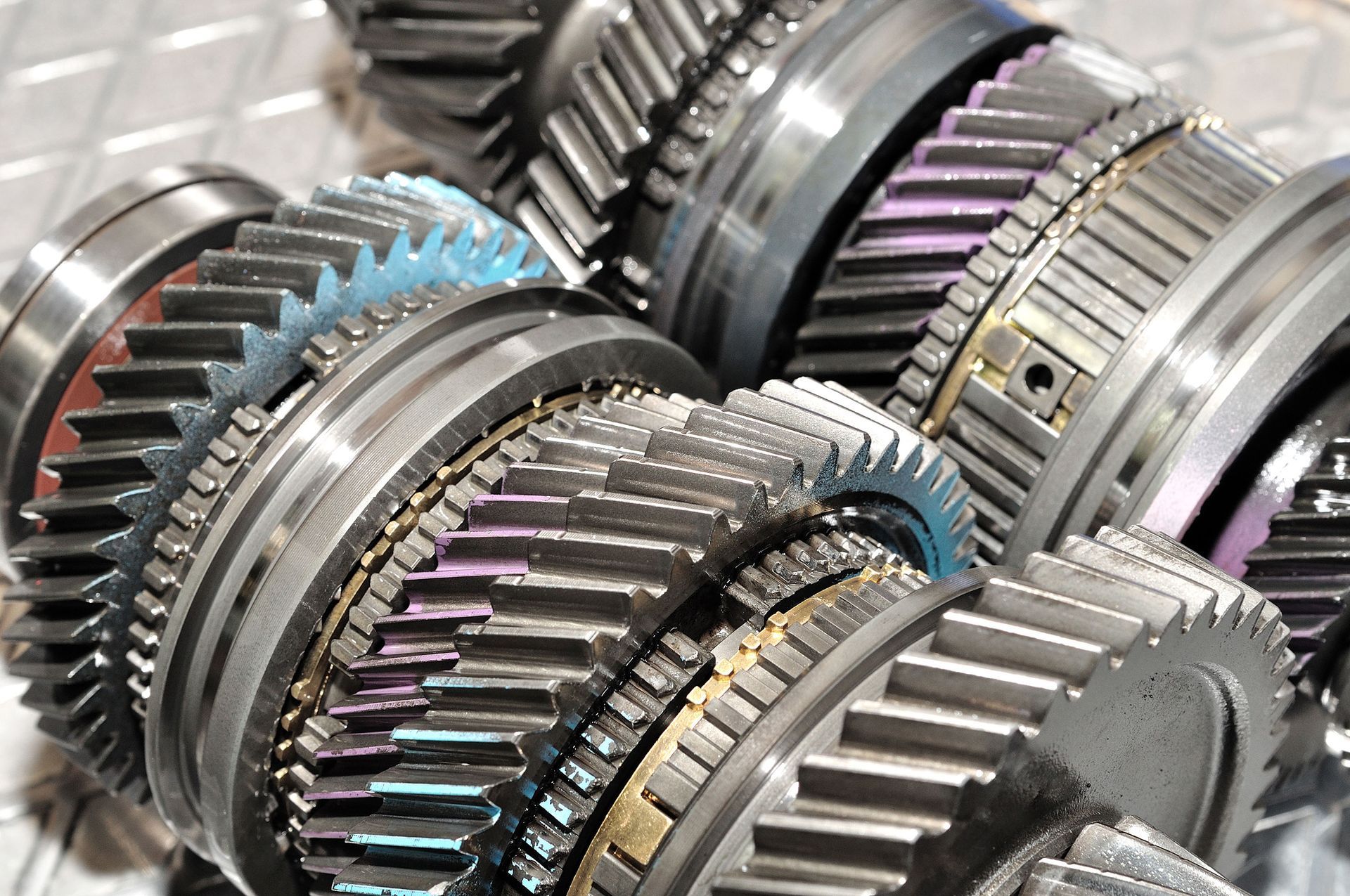
Engines, transmissions, differentials, and other major assemblies can represent some of the largest expenses associated with vehicle repair. Depending on the vehicle and condition of the available component, a recycled assembly may provide an alternative to purchasing a brand-new replacement.
Locating Compatible Parts
Engine configurations, production dates, drivetrain options, and part numbers can affect whether a component is appropriate. A knowledgeable salvage yard can help customers identify available parts based on relevant vehicle information, reducing uncertainty during the search.
Replacing Individual Components
Not every mechanical repair requires an entire assembly. Alternators, starters, pumps, brackets, and numerous other components may be available from recycled vehicles. When a suitable used part is available, drivers may be able to avoid the higher expense associated with purchasing an equivalent new component.
Managing Repair Budgets
An unexpected mechanical failure can place considerable pressure on a household budget. Having access to recycled options gives vehicle owners another possibility to discuss with their repair professionals. The right choice depends on the specific component, its condition, compatibility, and the needs of the vehicle.
Finding Affordable Lighting and Electrical Parts
Replacing Lighting Assemblies
Headlight and taillight assemblies can become cracked, cloudy, or damaged in minor collisions. Modern lighting assemblies may include distinctive shapes and integrated features that make replacements expensive.
Locating Factory Electrical Components
Vehicles contain a growing number of electrical switches, modules, controls, motors, and related components. When one fails, locating an exact replacement can become challenging, particularly on older models. A salvage yard can provide another source for factory components removed from compatible vehicles.
Finding Power Accessories
Power window motors, seat controls, mirror assemblies, and similar convenience features may wear out while the rest of the vehicle remains usable. Replacing only the affected component can restore functionality without requiring unnecessary replacement of surrounding parts.
Confirming Vehicle Compatibility
Electrical parts can vary substantially even between vehicles that appear nearly identical. Differences in trim packages, production years, connectors, and factory options may affect compatibility. Accurate vehicle information and part identification are therefore important before selecting a recycled electrical component.
Finding Affordable Wheels and Hardware
Replacing Individual Wheels
A bent, cracked, or badly damaged wheel can create an unexpected replacement expense. Purchasing a complete new set may be unnecessary when only one wheel needs attention. Recycled inventories can provide opportunities to locate individual factory wheels that match the existing set on a vehicle.
Locating Factory Wheel Styles
Wheel designs frequently change between vehicle generations and trim packages. After several years, matching an original factory wheel through conventional suppliers may become difficult. A salvage yard with a broad vehicle inventory may offer the specific design needed to preserve a consistent appearance.
Finding Useful Mounting Hardware
Automotive repairs sometimes require brackets, fasteners, mounts, and other hardware that may be difficult to purchase individually. Although these pieces are small, having the correct component can be essential to completing a professional repair. Recycled vehicles can remain valuable sources for this type of original hardware.
Avoiding Unnecessary Purchases
Being able to purchase an individual component rather than an entire set or assembly can help reduce waste and expense. This is one of the practical advantages of recycled automotive parts: drivers may be able to obtain precisely what is needed without paying for additional components they do not require.
Finding Affordable Parts for Older Vehicles
Locating Discontinued Components
Keeping an older vehicle on the road can become challenging when replacement parts are discontinued. Even a relatively minor component may become difficult to source after manufacturers stop supporting a particular model. Recycled vehicles can preserve discontinued pieces that would otherwise be unavailable through normal retail channels.
Supporting Vehicle Restoration
A well-stocked salvage yard can be particularly useful when searching for period-correct trim, interior pieces, body components, or mechanical parts. Original used components may help maintain authenticity while controlling restoration expenses.
Extending Vehicle Usefulness
A missing or damaged component does not necessarily mean an older vehicle needs to be retired. When compatible recycled parts remain available, owners may have more opportunities to complete necessary professional repairs and continue using a vehicle that otherwise meets their transportation needs.
Preserving Hard-to-Find Parts
Automotive recycling keeps usable components in circulation instead of treating an entire vehicle as unusable simply because one system has failed or the vehicle has been damaged. For owners of older cars and trucks, that continuing supply can become increasingly valuable as new replacement inventory becomes scarce.
Recycled auto parts can provide significant value for drivers trying to control repair, maintenance, or restoration expenses. Exterior panels, interior trim, mechanical components, electrical parts, wheels, hardware, and discontinued items may all remain useful long after the original vehicle has been retired.
Used automotive components can be especially valuable when new parts are expensive or difficult to find. The key is locating the correct component for the vehicle and understanding factors such as model year, trim, drivetrain, part numbers, and overall condition.
If you're searching for affordable replacement components for your car, truck, or restoration project, contact Phil's Auto Parts today. Our team can help you explore available parts at our salvage yard and find cost-conscious options that can keep your vehicle on the road without automatically paying the price of brand-new components.
Share On: