
Why Drivers Turn to Junk Yards When Car Parts Are Hard to Find
In recent years, sourcing car parts has become more challenging due to supply chain issues, rising costs, and limited availability. Many drivers are now exploring alternatives to traditional suppliers when they need affordable and dependable components. Junk yards have become valuable resources for vehicle owners, mechanics, and hobbyists who want practical solutions without waiting weeks for new parts. By understanding how these businesses operate, drivers can find parts more efficiently while also supporting reuse and recycling.
1. The Changing Role of Auto Salvage
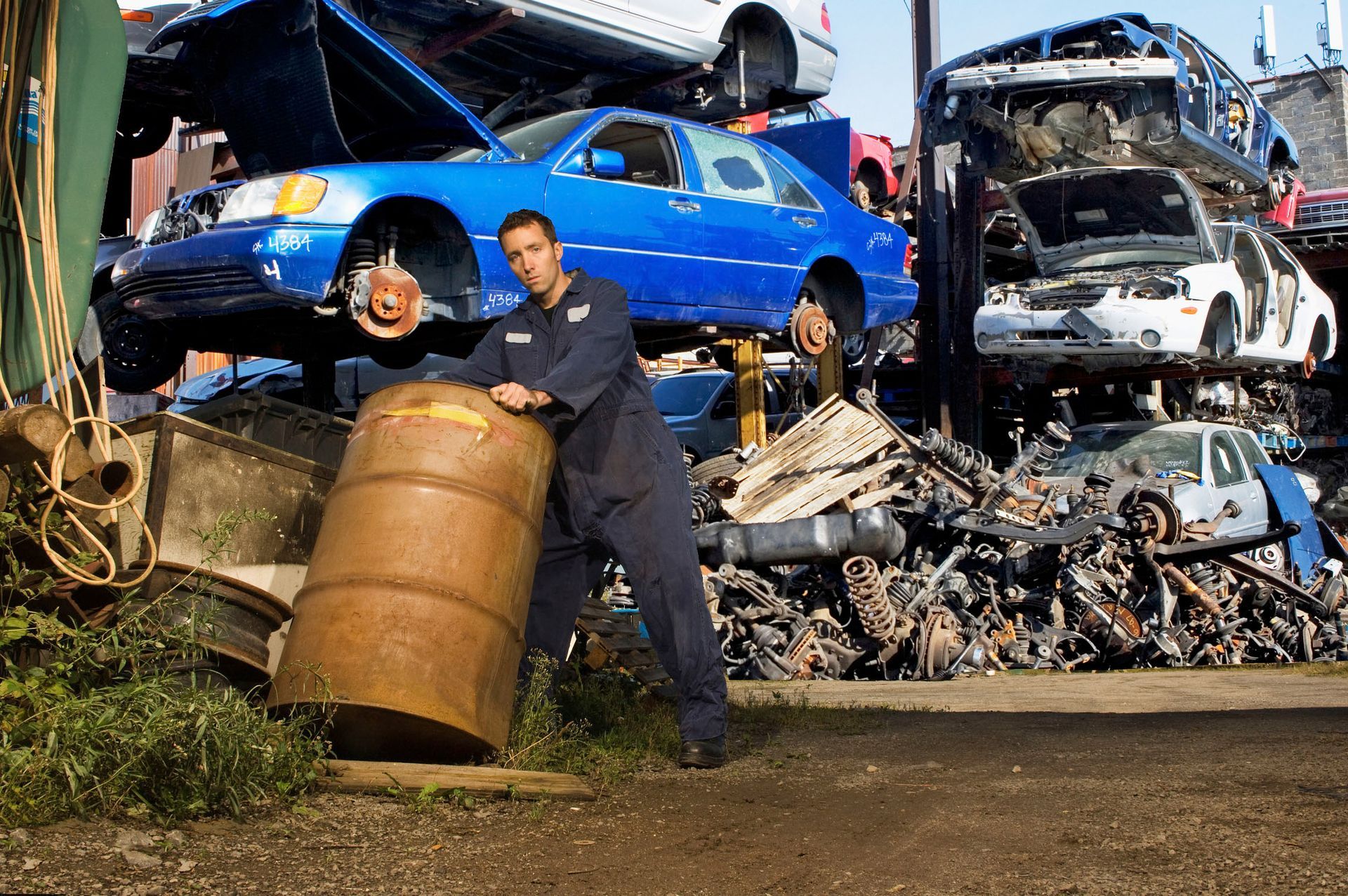
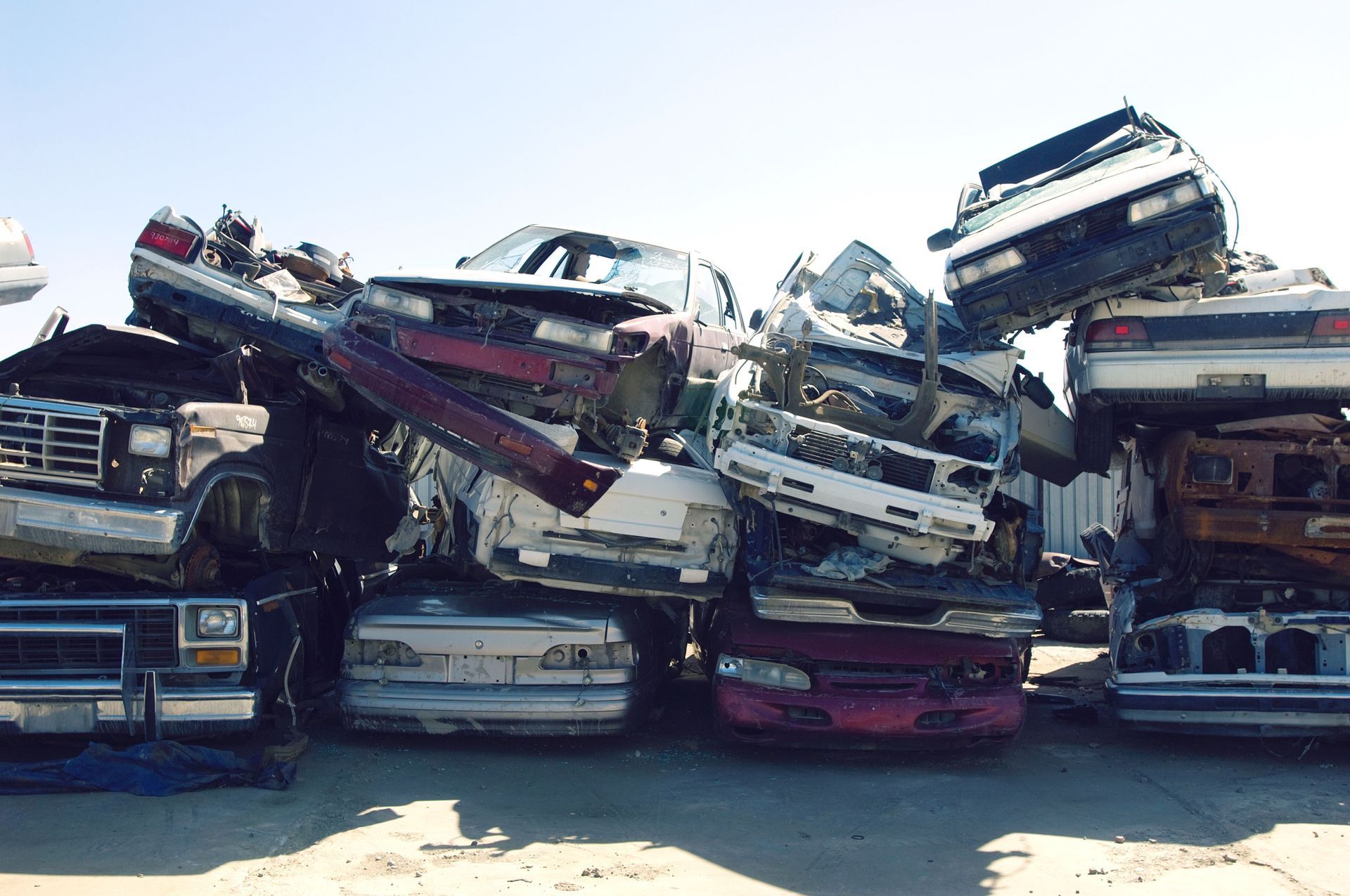
The history of junk yards dates back to the early days of the automotive industry, when vehicles became more common and communities needed organized ways to handle damaged, outdated, or unusable cars. What once may have looked like informal scrap collections has developed into a more structured industry built around dismantling vehicles, organizing inventory, and reselling usable parts.
Modern junk yards often use inventory systems, trained staff, and established processes to help customers locate components for many makes and models. This evolution has made them more useful for everyday drivers as well as car enthusiasts looking for rare or discontinued parts. Instead of being viewed only as disposal sites, these businesses now serve as practical parts sources within the automotive market.
They also play an important environmental role. By recovering usable parts from end-of-life vehicles, junk yards reduce waste and help extend the life of materials that might otherwise be discarded. This supports a more sustainable approach to car ownership and repair, especially as consumers become more aware of the environmental impact of manufacturing new parts.
2. Why Car Parts Are Harder to Find
Global supply chain disruptions have affected the availability of many automotive parts. Factory delays, transportation issues, labor shortages, and material shortages can all slow the process of getting new components to repair shops and consumers. When a necessary part is unavailable, even a simple repair can keep a vehicle out of service for longer than expected. According to IBISWorld, the used car parts wholesaling industry in the United States has grown at a compound annual growth rate of 4.9% between 2021 and 2026, reflecting the increasing demand for recycled and used automotive components as more consumers seek cost-effective alternatives to new parts.
These challenges are especially frustrating for owners of older vehicles. Traditional suppliers often focus on newer models, leaving drivers with older cars searching for discontinued or hard-to-find components. Junk yards help fill this gap because their inventory comes from a wide range of vehicles, including models that may no longer be supported by manufacturers.
Inflation has also made repair costs more difficult for many households and businesses. New parts can be expensive, and labor costs may add even more pressure. Salvage yards give drivers a way to reduce expenses by purchasing used parts that still have practical value. For budget-conscious vehicle owners, this can make the difference between delaying a repair and getting back on the road.
3. Cost Savings for Drivers and Repair Shops
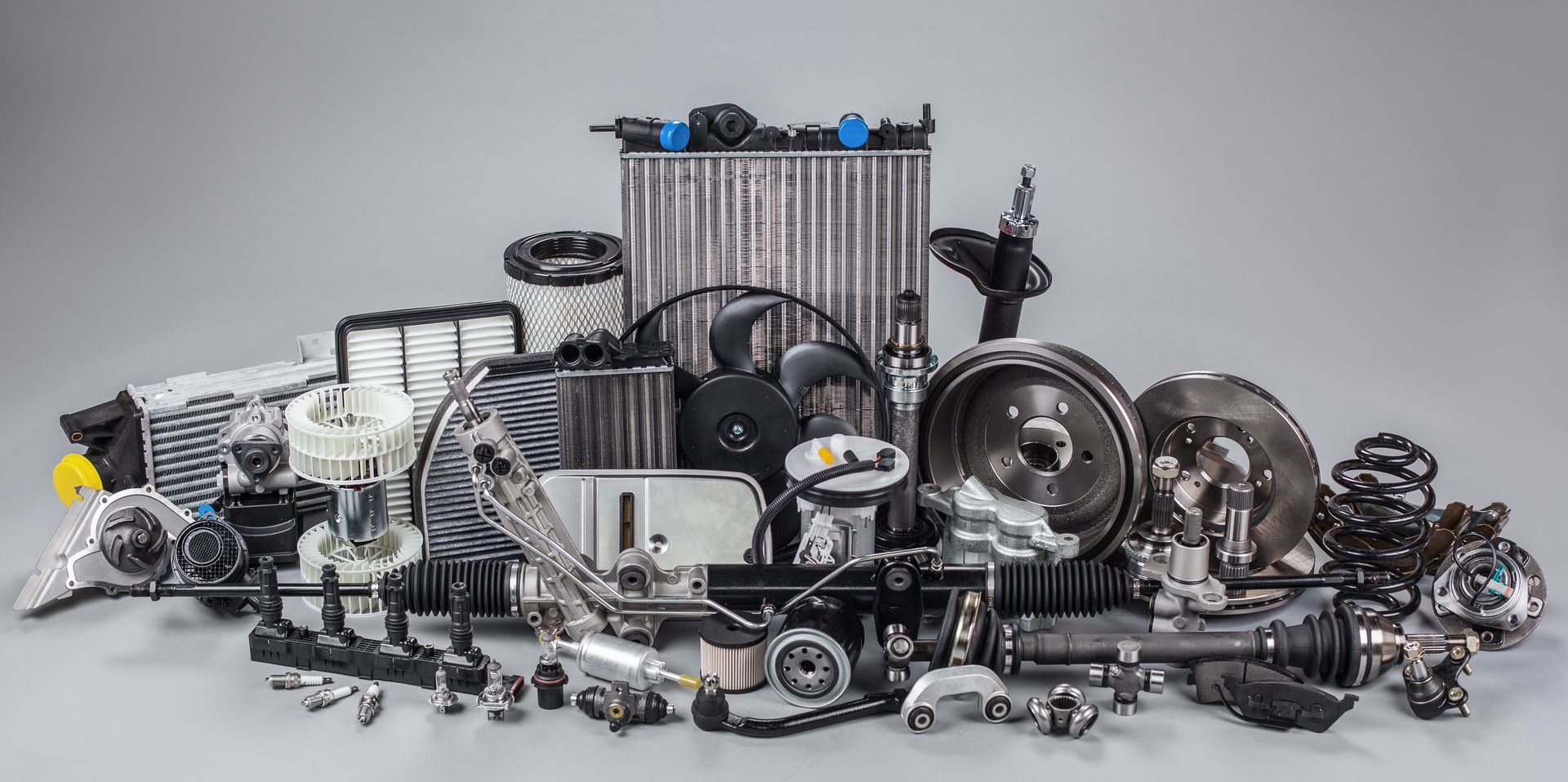
One of the biggest advantages of junk yards is affordability. Used parts are often available at a much lower price than new components, which can help drivers manage unexpected repairs. For common items such as mirrors, doors, bumpers, alternators, starters, wheels, and interior pieces, the savings can be substantial.
Repair shops may also rely on auto salvage facilities when customers need lower-cost options or when new parts are backordered. This can help shops complete jobs faster while giving customers more flexible pricing choices. In some cases, a used original equipment part may fit better than a newer aftermarket replacement, especially for older vehicles.
Cost savings do not mean customers should ignore quality. Buyers should inspect parts carefully, ask about return policies, and confirm compatibility before making a purchase. Some yards may offer limited warranties or exchange options, which can provide added confidence. Taking a careful approach helps shoppers get the best value from these businesses while avoiding unnecessary mistakes.
4. Availability of Older and Hard-to-Find Parts
Many drivers keep their vehicles longer because replacing a car can be expensive. As a result, the demand for older parts continues to grow. Auto recyclers are especially useful for finding components that are no longer produced or stocked by mainstream retailers. This makes them valuable for owners trying to maintain daily drivers as well as collectors restoring classic vehicles.
For automotive enthusiasts, the search itself can be part of the appeal. Walking through rows of vehicles or searching an organized inventory may reveal rare trim pieces, original body panels, factory wheels, or mechanical components that are difficult to locate elsewhere. These finds can help preserve the originality and character of older vehicles.
Even drivers who are not hobbyists benefit from this availability. A discontinued part can prevent an otherwise reliable vehicle from staying on the road. Salvage operations provide another path forward by making it possible to repair vehicles that might otherwise be considered too difficult or too expensive to maintain.
5. Sustainability and Resource Efficiency
Using salvaged auto parts supports sustainability by reducing the demand for new manufacturing. Producing new parts requires raw materials, energy, shipping, and packaging. When drivers purchase reclaimed components, they help reduce waste and make better use of parts that still have life left in them.
Auto recycling facilities also help manage end-of-life vehicles responsibly. Many facilities remove fluids, batteries, tires, and other materials according to environmental guidelines. This process helps prevent pollution while allowing usable parts and recyclable materials to be recovered. In this way, the industry supports both practical repair needs and broader environmental goals.
This resource-efficient model reflects a circular economy approach. Instead of treating every damaged or aging vehicle as worthless, salvage operations identify what can be reused, resold, or recycled. These facilities therefore offer more than affordability; they provide a responsible way to reduce automotive waste while helping consumers meet repair needs.
6. How to Shop Successfully
Drivers can improve their results by preparing before visiting or contacting a salvage yard. It is helpful to know the vehicle’s year, make, model, trim level, engine size, and, when possible, the vehicle identification number. Bringing photos of the needed part can also reduce confusion and make it easier for staff to confirm a match.
Customers should ask whether the yard pulls the part or whether buyers are expected to remove it themselves. Some facilities are full-service operations, while others allow customers to bring tools and retrieve parts directly. Understanding the process ahead of time helps shoppers plan properly and avoid delays.
It is also wise to compare prices, check part condition, and ask about return terms. Electrical components, sensors, and mechanical parts should be evaluated carefully because their condition may not always be obvious at first glance. With the right preparation, these businesses can be reliable sources for affordable and useful auto parts.
7. A Practical Solution for Today’s Drivers
As parts shortages, inflation, and vehicle aging continue to affect car owners, alternative sourcing methods have become more important. Salvage yards offer a practical answer by providing affordable access to parts, supporting older vehicles, and reducing waste through reuse. They are especially helpful when traditional suppliers are delayed, expensive, or unable to provide a needed component.
For drivers, mechanics, and enthusiasts, these facilities represent a blend of affordability, availability, and sustainability. With careful research and smart shopping habits, customers can find valuable components that keep vehicles running longer. In today’s uncertain parts market, auto recycling centers remain an important and dependable part of the automotive repair ecosystem. Contact Phil's Auto Parts today and learn more about our junk yard services.
Share On: