Used Auto Parts Guide for Affordable Vehicle Repairs
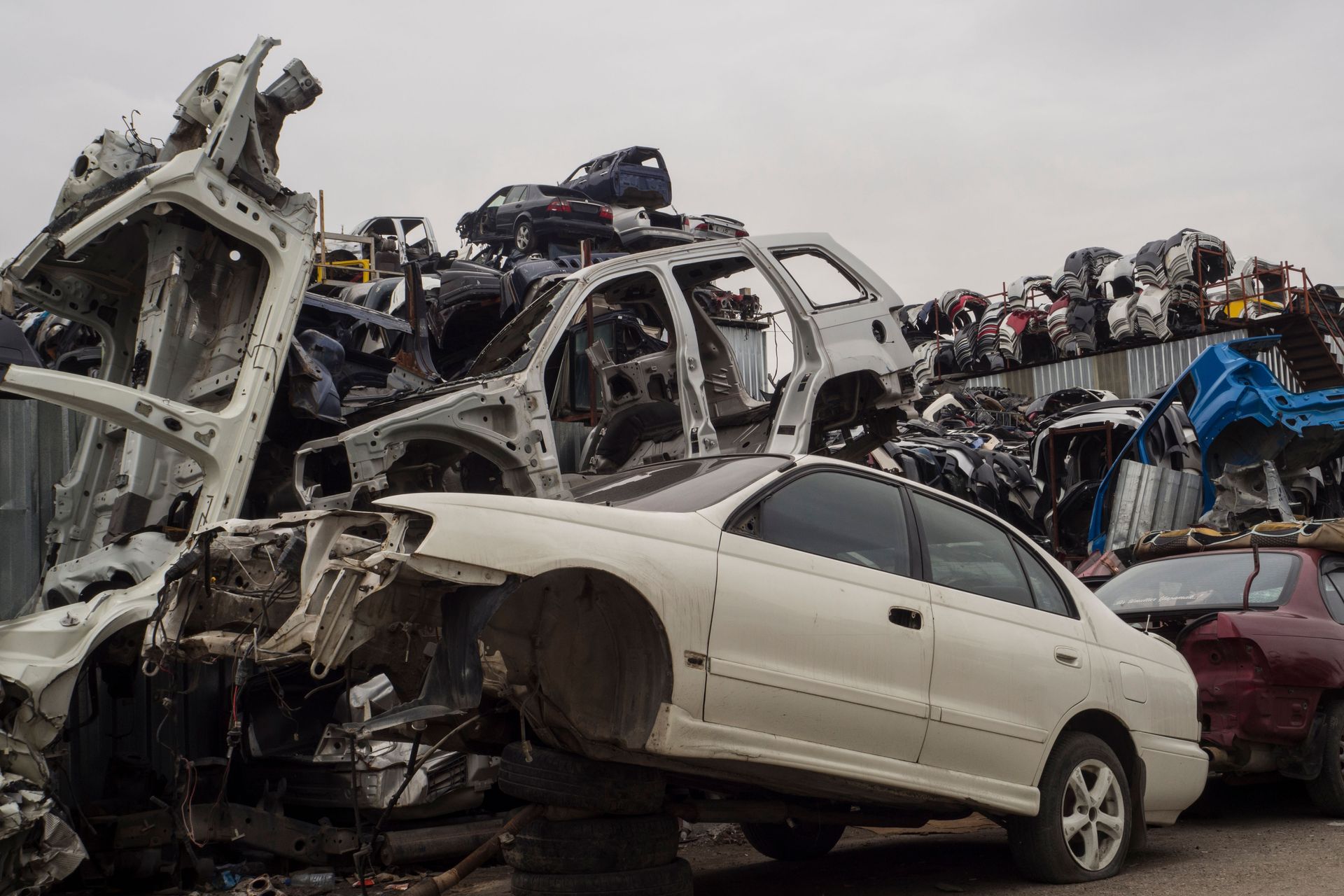
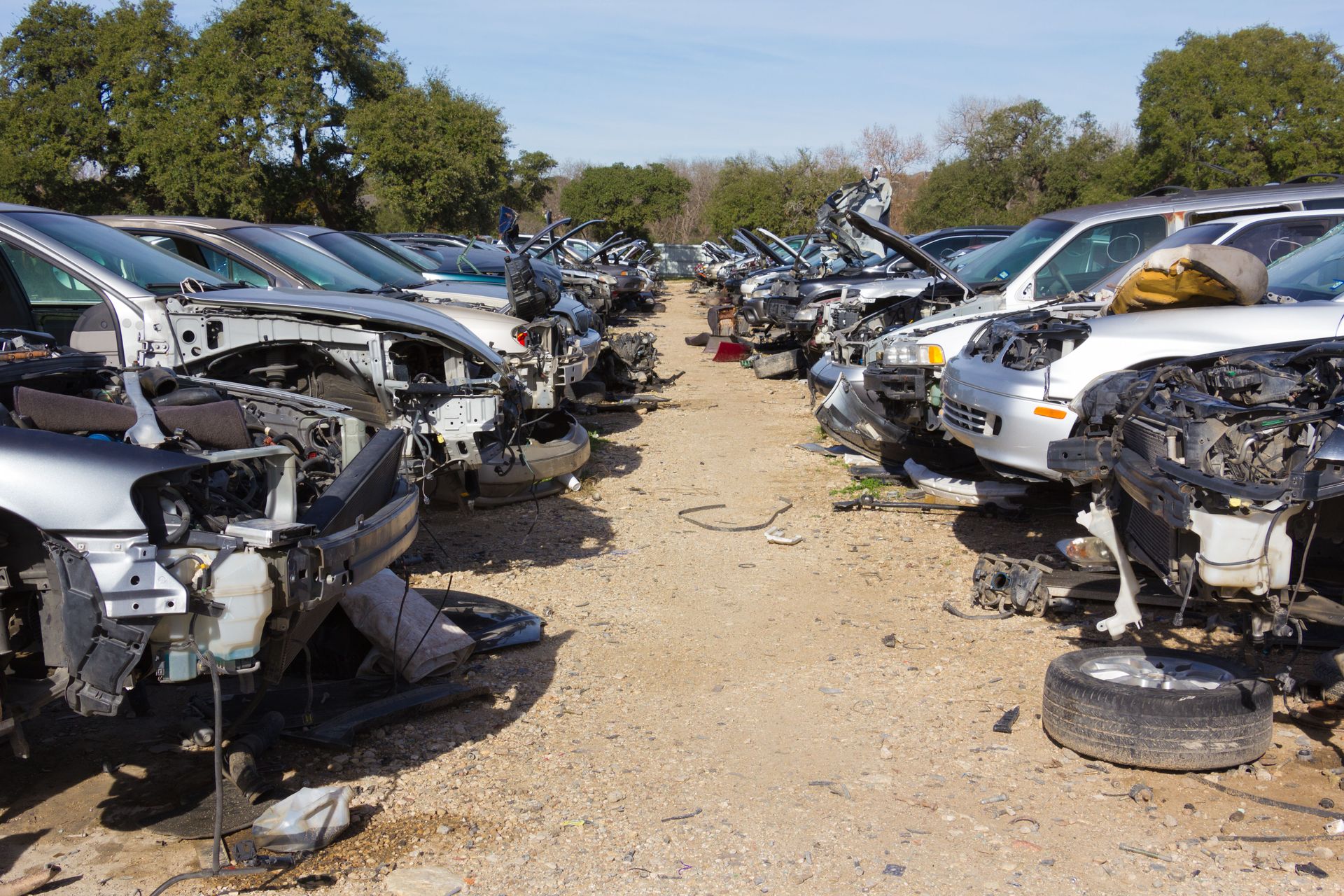
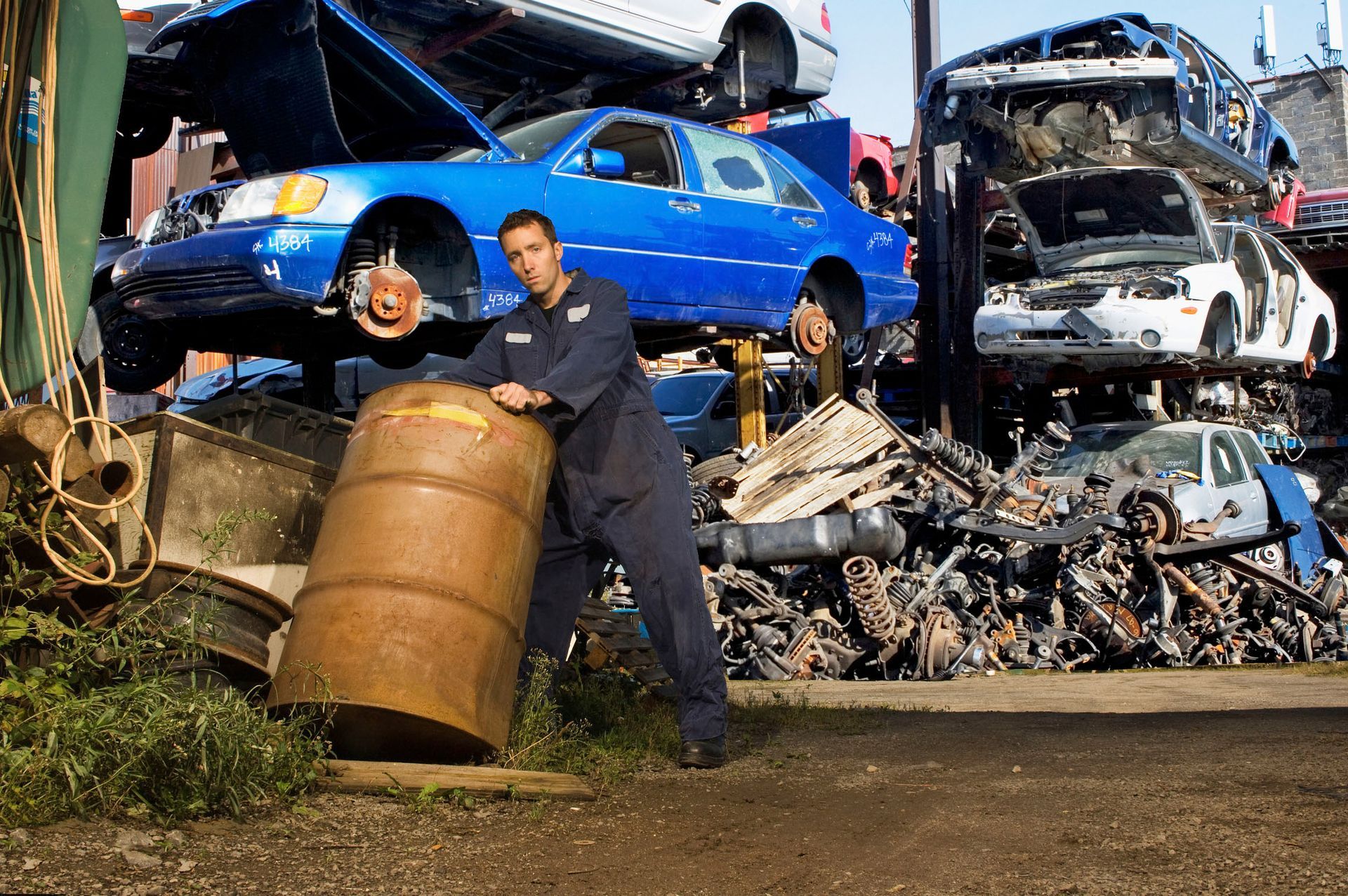
Maintaining a personal vehicle can quickly become expensive when unexpected mechanical failures or accidental fender benders occur. Drivers seeking budget-friendly repair solutions often turn to secondary markets to keep repair bills manageable without sacrificing everyday vehicle safety. According to ByteScraper, there are about 1,886 salvage yards in the U.S., offering vast inventories of pre-owned vehicle components.
Sourcing high-quality used auto parts allows drivers to replace damaged components at a fraction of original manufacturer prices. Understanding how to navigate salvage inventories, inspect pre-owned components, and select compatible items ensures successful, cost-effective vehicle maintenance for every driver today across the nation.
Navigating Salvage Yards With Strategic Preparation
Locating compatible automotive components requires thorough research before visiting local salvage facilities or browsing online inventory databases. Calling ahead to confirm specific vehicle inventory saves time, fuel, and unnecessary travel across town. Bringing original defective components along for side-by-side physical comparison prevents purchasing mismatched items that cause installation delays.
Equipping yourself with essential socket sets, flashlights, and protective gloves makes retrieving components from self-service yards safer and faster. Knowing your vehicle's exact model year, engine size, and trim level streamlines inventory searches. Strategic preparation eliminates guesswork, helping drivers find reliable used auto parts that match factory specifications.
Verifying Vehicle Identification Numbers From OEM Components
Automotive manufacturers frequently update component designs mid-generation, making exact model year matching essential during replacement projects. Checking your vehicle's seventeen-digit Vehicle Identification Number verifies exact engine codes, transmission types, and factory options. Salvage yards catalog inventory using standardized interchange numbers to track identical replacement components across different vehicle models.
Selecting original equipment components featuring matching part numbers ensures seamless plug-and-play installation without modification. Utilizing used auto parts originating from identical vehicle production runs preserves factory fitment standards. Taking time to cross-reference identification numbers protects your repair budget, ensuring replacement parts integrate smoothly with existing vehicle systems for every driver.
Inspecting Mechanical Components Through Careful Visual Exams
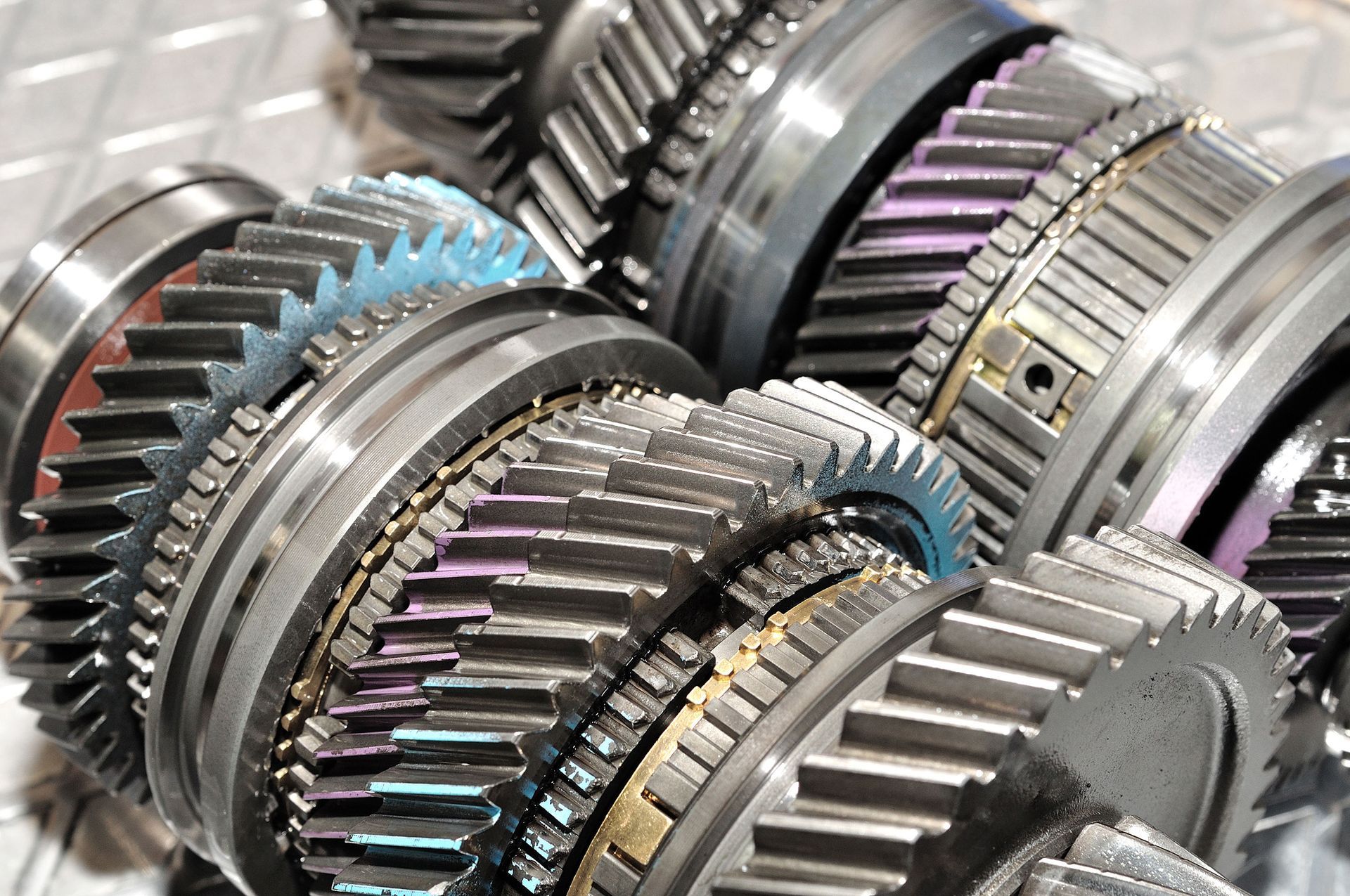
Inspecting mechanical assemblies requires careful physical examination to ensure components remain functionally sound before final purchase. When evaluating pre-owned engines, transmissions, or steering racks, inspect fluid condition, check for hairline casing cracks, and look for signs of severe rust or heat stress. Rotating shafts manually helps identify bad bearings, grinding gears, or internal binding before installation.
Avoid purchasing mechanical components exhibiting excessive oil sludge buildup or dark, burnt fluids that indicate poor maintenance history. Sourcing sound components from low-mileage donor vehicles minimizes repair risks, providing reliable mechanical performance while keeping overall repair expenses exceptionally low for vehicle owners today.
Purchasing Reclaimed Body Panels With Aesthetic Appeal
Collision damage often affects exterior sheet metal, bumpers, mirrors, and lighting assemblies that are costly to replace with brand-new factory body panels. Sourcing pre-owned body panels from donor vehicles of the same color code eliminates expensive paint matching and body shop labor costs. Inspecting doors, hoods, and fenders for hidden rust, deep dents, or poor alignment ensures structural integrity before purchasing.
Factory body panels fit significantly better than cheap aftermarket alternatives that often feature poor gaps. Choosing recycled exterior components restores your vehicle's original appearance economically, turning stressful cosmetic damage repairs into simple, affordable DIY weekend bolt-on projects for enthusiasts.
Sourcing Electrical Components Through Reliable Auto Recycling
Electronic modules, alternators, starter motors, and wiring harnesses can fail unexpectedly, leaving drivers stranded without reliable transportation options. Sourcing pre-owned electrical components from reputable automotive shops offers substantial savings compared to dealership counter prices. Before purchasing electronic control units or sensors, inspect terminal pins for green corrosion, bent prongs, or melted plastic housings.
Testing alternators and starter motors at local auto parts stores verifies electrical output before home installation. Purchasing verified electrical used auto parts restores vehicle functionality quickly, shielding car owners from excessive dealership repair markups while restoring dependable daily driving performance for your primary household automobile today.
Evaluating Warranty Options From Reputable Auto Salvagers
Reputable automotive shops stand behind their inventory by offering short-term return policies, exchange privileges, or affordable extended warranty coverage options. Inquire about return terms before finalizing any purchase, ensuring you can exchange components if compatibility issues arise during installation. Many salvage yards mark tested inventory with paint pens or security tamper tags to verify component origin upon return.
Purchasing components that include thirty to ninety-day exchange protection offers added confidence when buying complex mechanical items. Selecting backed inventory mitigates purchase risks, assuring drivers that their investment remains protected against unexpected component defects after completing the repair project for vehicle owners.
Saving Repair Costs Through Smarter Mechanical Sourcing
Replacing expensive vehicle components with brand-new factory parts can easily exceed a car's overall financial valuation, forcing difficult decisions regarding vehicle retirement. Utilizing used auto parts slashes parts expenses, keeping older vehicles running reliably on modest household budgets.
Saving money on replacement components allows car owners to allocate funds toward routine preventative maintenance like fresh fluids, brake pads, and tires. Purchasing pre-owned items makes major mechanical repairs feasible for DIY mechanics working at home. Smart component sourcing protects your bank account, extending vehicle service life while avoiding the burden of new car loans.
Reducing Environmental Impacts Through Auto Component Recycling
Choosing recycled automotive components directly benefits the environment by keeping thousands of tons of metal and plastics out of local landfills annually. Manufacturing new automotive components consumes massive quantities of energy, raw metals, and petroleum products. Reusing existing functional components reduces industrial manufacturing demand, lowering greenhouse gas emissions associated with new parts production.
Automotive recycling facilities process fluids, batteries, and tires responsibly, preventing hazardous chemicals from polluting surrounding soil and water tables. Utilizing recycled components represents an eco-friendly choice that combines practical financial savings with meaningful environmental stewardship, supporting sustainable automotive consumer practices nationwide.
Identifying Quality Wear Items From Low Mileage Vehicles
Certain non-safety wear items like side mirrors, interior trim panels, wiper motors, and alloy wheels offer exceptional value when sourced from low-mileage donor vehicles. Vehicles retired due to rear-end collisions often contain pristine front-end components, immaculate interior cabins, and barely used mechanical accessories.
Inspecting donor vehicle odometers at salvage yards helps identify gently used components with extensive remaining service life. Avoiding heavily worn steering or suspension items protects vehicle safety while focusing savings on durable hard parts. Sourcing lightly used components delivers near-new performance at budget-friendly prices, maximizing overall value for smart vehicle owners nationwide.
Installing Reclaimed Components With Proper Mechanical Precision
Installing pre-owned automotive components successfully requires clean surfaces, correct torque specifications, and fresh hardware or gaskets during reassembly. Cleaning mating surfaces thoroughly prevents oil leaks, vacuum leaks, or improper component alignment after installation. Replacing single-use stretch bolts, worn rubber seals, and fluids during component installation ensures long-term reliability.
Consulting factory repair manuals or video guides helps DIY mechanics execute installation procedures correctly without damaging delicate plastic connectors. Taking a patient, methodical approach to component installation ensures your pre-owned replacement parts function flawlessly, completing your vehicle repair safely while keeping hard-earned money in your wallet for long-term driving confidence.
Navigating secondary automotive markets provides an exceptional, budget-friendly path for managing unexpected vehicle repair costs without compromising daily transportation reliability. Sourcing pre-owned used auto parts allows drivers to bypass expensive dealership markups while securing high-quality factory-original parts designed specifically for their vehicles.
By researching vehicle compatibility, cross-referencing identification numbers, and inspecting physical conditions carefully, car owners can complete major repairs successfully on modest budgets. Embracing component recycling saves substantial money, protects natural environmental resources, and extends overall vehicle lifespan.
Empowering yourself with smart component sourcing techniques transforms daunting mechanical failures into affordable, manageable maintenance achievements for many years ahead. If you're seeking used auto parts in the Southgate, MI area, Phil's Auto Parts is the place to go! Search our inventory online or visit us today to find what you're looking for.
Share On: